《Strasbourg:冷靜建築、熱鬧聖誕、內心翻騰的小劇場》
從史特拉斯堡火車站一走出來,迎面而來的不是人群,而是歐洲的冷空氣,直接甩我一巴掌,說:「歡迎來到東法邊境,寶貝。」
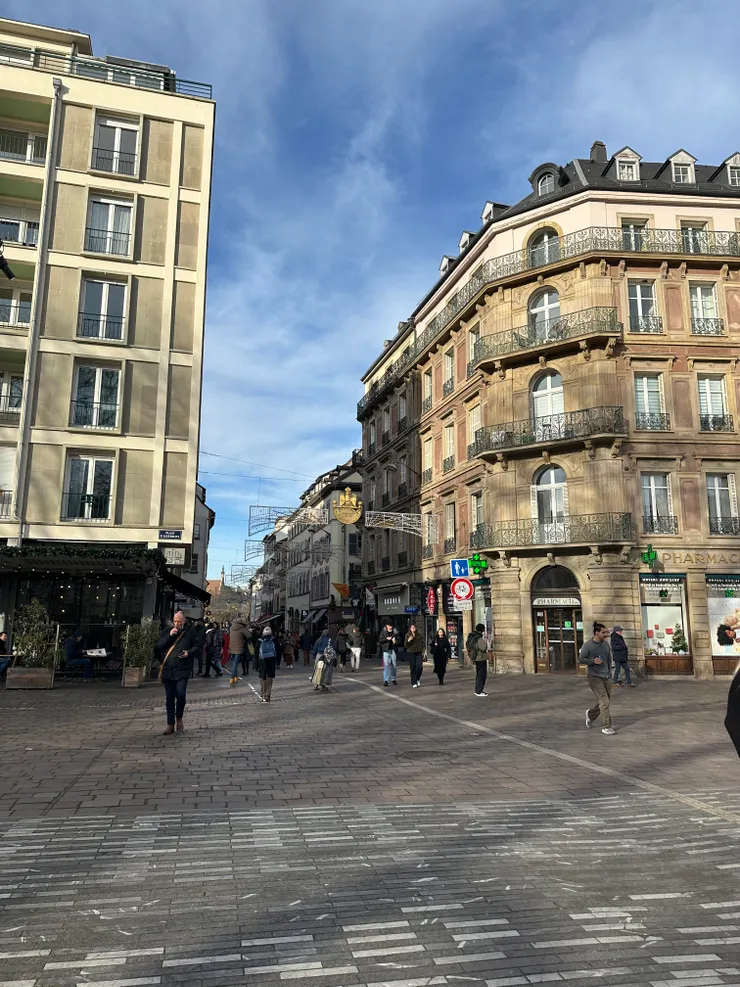
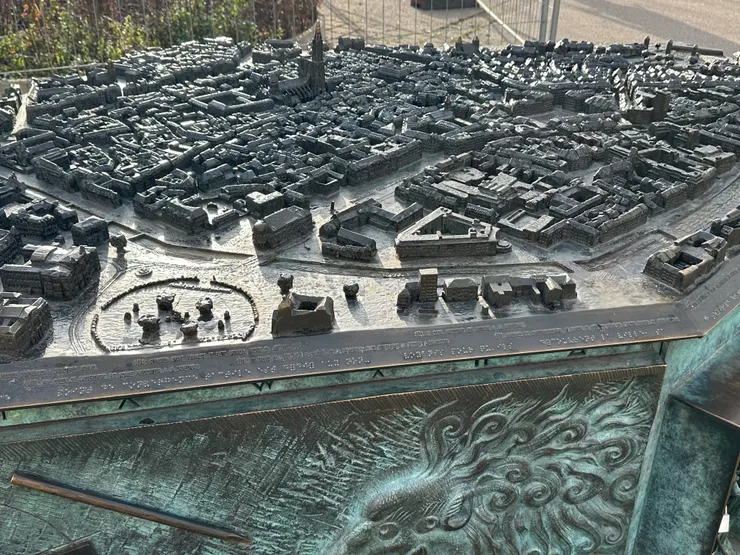
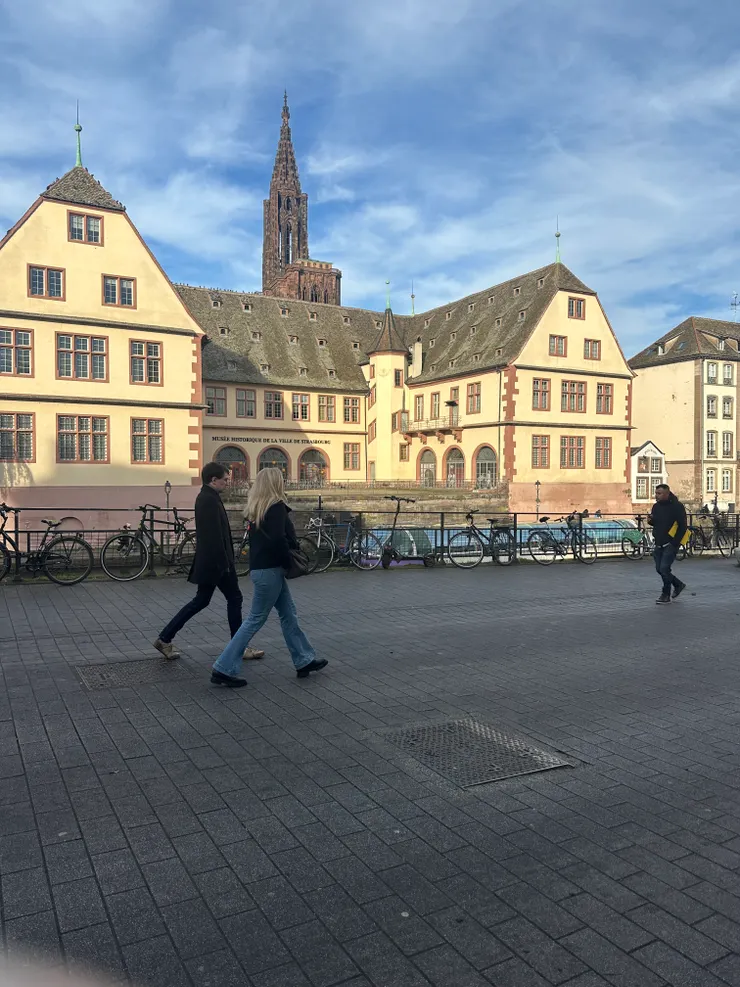
搭上電車,我望著窗外,心裡的巴黎浪漫還沒散去,這裡就已經上演建築界的冷靜系派對。城市的線條乾淨俐落,建築說話的語氣像:「請保持理性、節制、和禮貌。」我有一瞬間以為自己走進了某種都市心理諮商中心。
史特拉斯堡,這名字聽起來像一位穿西裝、戴眼鏡、有德國血統的哲學教授,說話慢條斯理、建築講求對稱,街道彷彿都被尺量過一樣。這城市的骨架是冷靜的,像是把理性放在冰箱裡醃過,建築整齊到有點強迫症的療癒感。
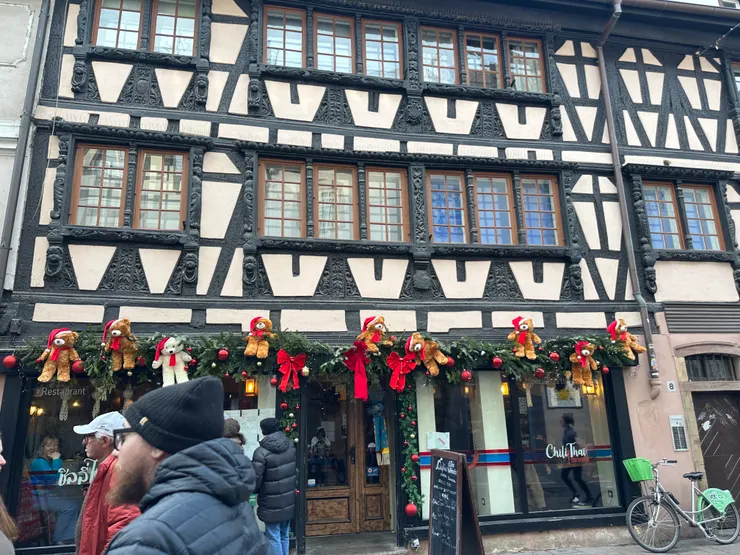
然後我突然想起:啊對,這裡曾經是德國領土。難怪處處都是法式外表配德式內涵,像一個穿Beret的哲學系學長,卻有強迫症地把桌面排成黃金比例。
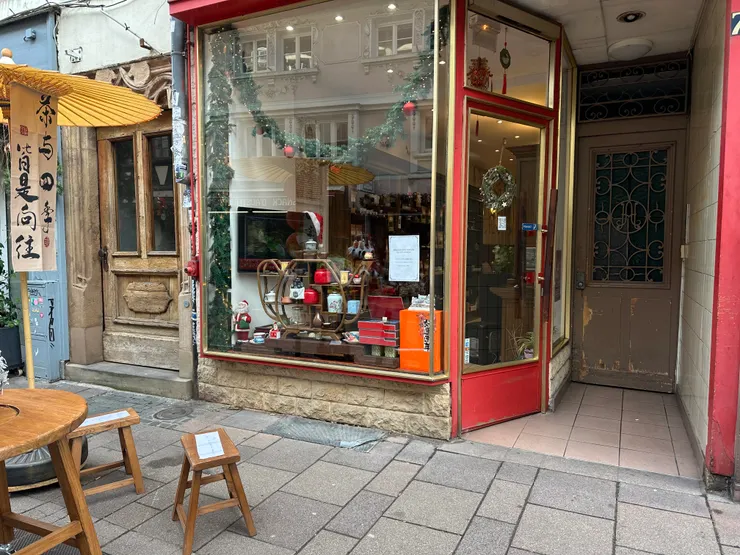
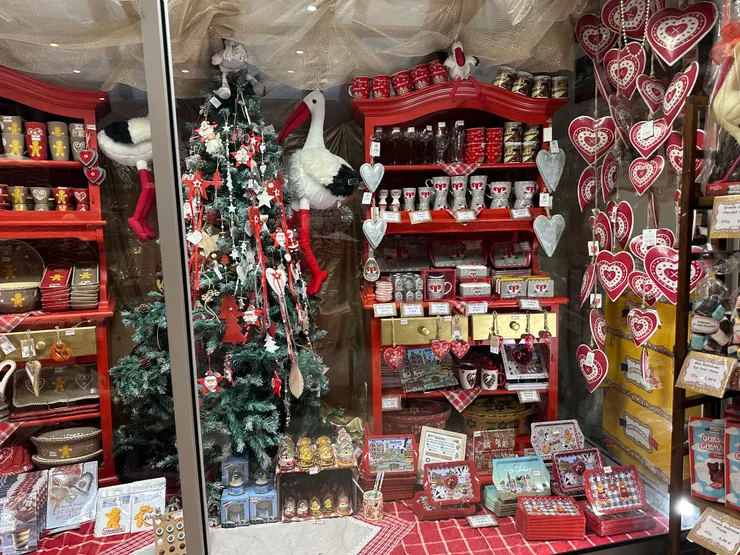
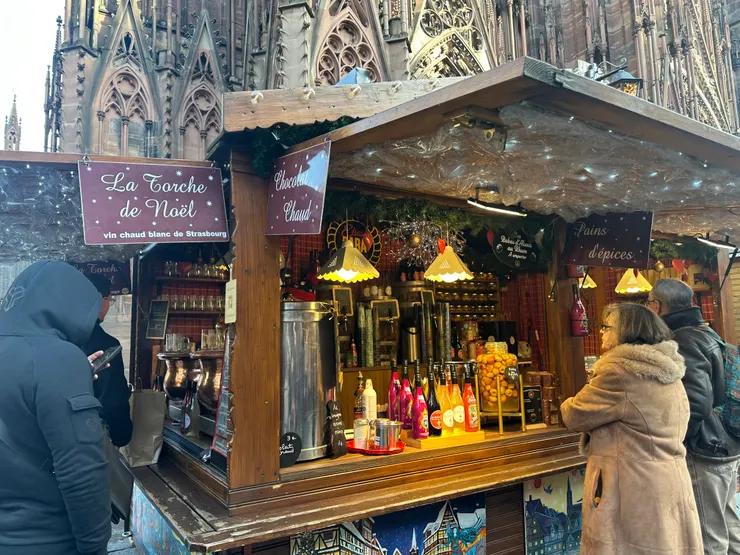
市中心開始有點溫度,不是天氣,是聖誕市集。走沒幾步就被木造小屋、閃亮燈飾、聖誕老人的假鬍子包圍,街頭的旋律開始讓我懷疑是不是自己轉世的北歐小精靈人格被喚醒了。
走進聖誕市集,整座城瞬間變身成一個吃糖吃到微醺的詩人,滿街的燈飾像是在對你說:「來嘛,人生可以不嚴肅一點。」
那杯熱紅酒──Le Vin Chaud──才是這城市給我最深情的一句話,像是說:「你冷吧?來,我用香料和葡萄發酵的方式讓你相信世界還有一點溫柔。」
史特拉斯堡沒在跟你談什麼濃情愛語,它像一本不聲不響卻令人回味的書,翻頁時全是氣質。這裡沒有巴黎的「我愛你快說三遍」,但有「我這裡有一家二手書店跟手工笑話,你要不要進來看看?」
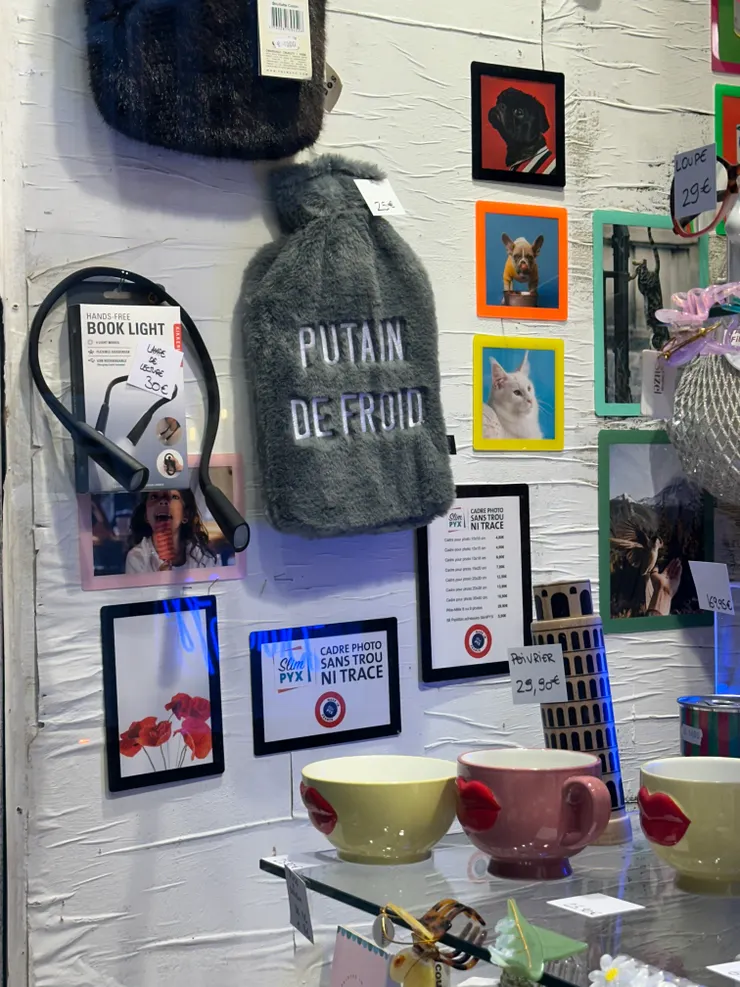
我一邊喝著熱紅酒,一邊跟街上的帽子吵架。那頂帽子上寫著:Putain De Froid(這該死的冷)。我當場笑出來——太誠實了,比某些人談感情還誠實。
而就在這該死的冷空氣中,我看見了我內心的劇場默默拉開帷幕。
一邊是建築的理性派對,另一邊是我內心的小劇場正在演《靈魂的覺醒與不想面對的溫度差》。
我不是觀光客,我是走進這城市與自己對話的異鄉人。
而你知道最浪漫的對話,常常發生在最安靜的街角。或是一個毛帽、一杯酒,或是聖誕老公公拒讀我訊息的那個瞬間。
《聖誕老人封鎖我,但我還是原諒他了》
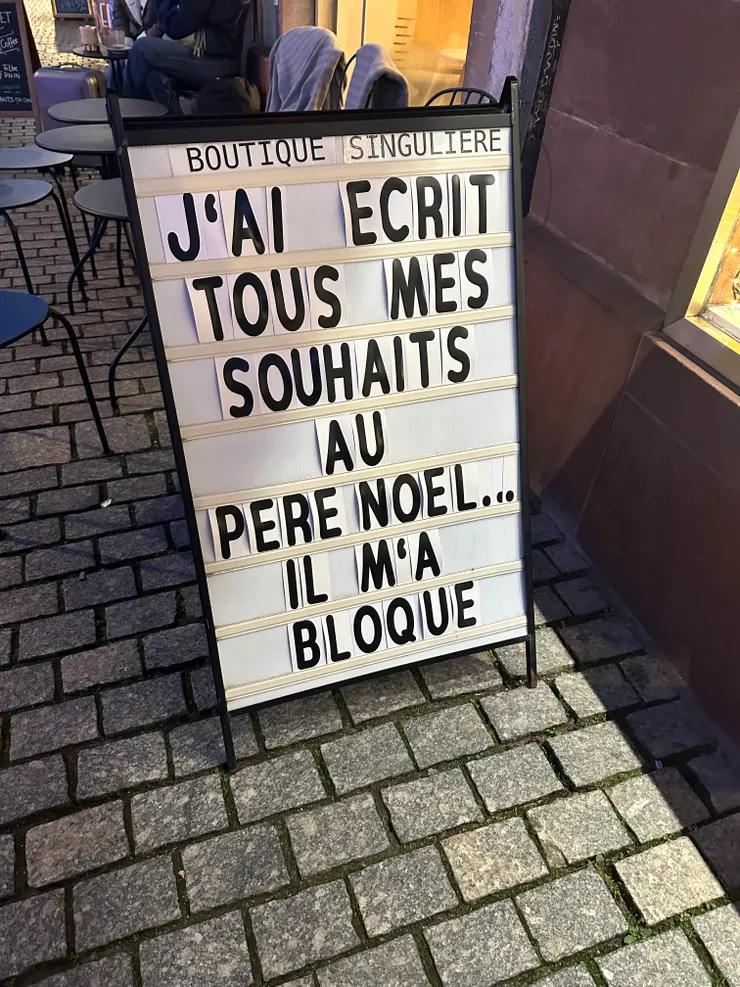
這個牌子上的法文寫的是:
“J’ai écrit tous mes souhaits au Père Noël… il m’a bloqué.”
「我把我所有的願望都寫給聖誕老人了……他把我封鎖了。」
在史特拉斯堡的街角,我遇見一塊神級諷刺的看板。
上面寫著:「我把我所有的願望都寫給聖誕老人了……結果他封鎖我了。」
當場笑出聲。
一種來自靈魂深處的釋放。
也可能是因為我人生某幾段,也曾經這樣——全心全意對宇宙許願,然後被按了封鎖鍵。
但我想,可能是因為我那時候許願太囉唆了(附上32條補充說明,還加註了「希望實現前不要給我太多功課」),聖誕老人根本不是封鎖我,是去休假了。
或是他也只是一個中年打工仔,穿著紅衣服、背著包,被全世界的願望壓到喘不過氣。
我們何必太苛責一個年末還在趕 KPI 的老先生呢?
這就是史特拉斯堡的幽默。
一邊賣熱紅酒,一邊用一句話安慰所有在這寒冬中,感覺被世界「封鎖」的人。
《史特拉斯堡大教堂:石頭裡封印的祕密,與我靈魂的低語》
走進史特拉斯堡的那天,空氣是冷的,電車是理性的,街道是安靜的,但我的心,像被一封未知寄來的情書撞了一下。
那封「情書」,就是——史特拉斯堡大教堂。
這不是一座普通的教堂,它是一種召喚。
當我站在那座曾經是世界最高的建築物面前,看著那高達142公尺直刺天際的尖塔,我只覺得——什麼「天梯」、什麼「神諭」都弱掉,這根尖塔本身就是一道天與地之間的通道。
石牆上密密麻麻的雕刻,全是肉眼看得見的祈禱。
彩繪玻璃的玫瑰花窗,像某種靈魂深處打開的神秘視窗,光灑下來的那一刻,我不是在看光,而是光在看我。
還有那座16世紀的天文鐘,走得比我的愛情還精準。
我想,這就是大教堂的魔法:它讓人忘記自己只是個觀光客,而以為自己是某場前世未完祈禱的續集。
而這個城市呢,就像它的教堂——沒有巴黎的浮誇、沒有尼斯的明媚,它冷靜、克制、充滿秩序與結構,但這正是它讓我心動的地方。
我在聖誕市集喝了一杯熱紅酒 La Vin Chaud,一邊發抖一邊讚嘆:Putain froid,但也 putain magnifique。
Strasbourg: Calm Architecture, Festive Christmas, and a Tumultuous Inner Theater
The moment I stepped out of the Strasbourg train station, I wasn’t greeted by a crowd, but by a slap in the face from the icy European air.
It said, “Welcome to eastern France, darling.”
I hopped on a tram and stared out the window.
The romantic haze of Paris hadn’t even faded from my heart yet, and here I was, already crashing the opening scene of an architectural minimalist party.
The city’s lines were crisp and clean, and its buildings seemed to say: “Please remain rational, restrained, and polite.”
For a second, I thought I had walked into a giant urban psychological counseling center.
Strasbourg—the name itself sounds like a philosophy professor with German heritage, wearing a suit and glasses, speaking in slow, thoughtful sentences.
Its architecture values symmetry; the streets feel like they were measured with a ruler.
The skeleton of this city is composed. It feels like rationality preserved in a fridge, marinated and served with a side of compulsive architectural harmony.
Then it hit me: oh, right—this used to be German territory.
No wonder everything here feels like a French façade with a German soul, like a philosophy major in a beret who obsessively arranges their desk in golden ratio.
The city center started warming up—not in temperature, but in spirit.
The Christmas market was kicking in.
A few steps in and I was surrounded by wooden chalets, twinkling lights, and fake Santa beards.
Street music filled the air, and I started wondering if my reincarnated inner Nordic elf had just awakened.
Walking into the market, the entire city morphed into a poet on a sugar high.
The lights on every street seemed to whisper, “Come on, life doesn’t have to be so serious.”
And that cup of mulled wine—Le Vin Chaud—was the city’s most tender line to me:
“You cold? Come here, let me use fermented grapes and spices to help you believe there’s still a little warmth in this world.”
Strasbourg doesn’t whisper sweet nothings.
It’s more like a quietly unforgettable book, its pages turning with understated elegance.
It doesn’t shout “I love you, say it back three times” like Paris might.
Instead, it says: “There’s a second-hand bookstore and handmade jokes inside—wanna come take a look?”
As I sipped my vin chaud, I had a small argument with a beanie.
It had the words Putain De Froid on it—“This fing cold.”*
I burst out laughing—so brutally honest, more honest than some people are in relationships.
And right there, in that cursed cold air, the curtains of my inner theater quietly rose.
One side of the stage hosted a party of architectural rationality.
The other side? My inner drama titled:
“The Awakening of My Soul and the Temperature Gap I Don’t Want to Face.”
I wasn’t a tourist.
I was a stranger walking into this city to have a conversation with myself.
And you know, the most romantic conversations often happen in the quietest corners.
Maybe over a wool hat, a cup of wine,
or the moment Santa Claus left me on read.
“Santa Blocked Me, But I Forgave Him Anyway.
That sign read:
“J’ai écrit tous mes souhaits au Père Noël… il m’a bloqué.”
“I wrote all my wishes to Santa… and he blocked me.”
Somewhere on a Strasbourg street corner, I stumbled across this god-tier sarcastic billboard.
“I wrote all my wishes to Santa… and he blocked me.”
I laughed out loud—
a release from the depths of my soul.
Maybe because I too, once wrote all my wishes to the universe… only to get hit with a giant cosmic block button.
Then again, perhaps it was because I was too long-winded with my wishes.
(Appended 32 side notes and included a clause: “Please don’t give me too much homework before these dreams come true.”)
Maybe Santa didn’t block me.
Maybe he just went on vacation.
Or maybe…
he’s just a middle-aged part-timer in red, carrying a giant sack of the world’s expectations,
struggling to meet his year-end KPIs.
Why be too harsh on a tired old man just trying to meet quota?
That, to me, is the humor of Strasbourg:
Serving you a warm cup of wine,
while offering a single line to comfort anyone feeling blocked by the world this winter.