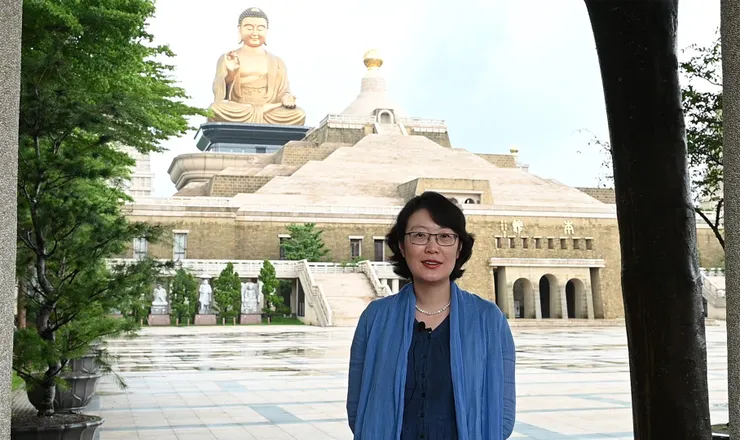
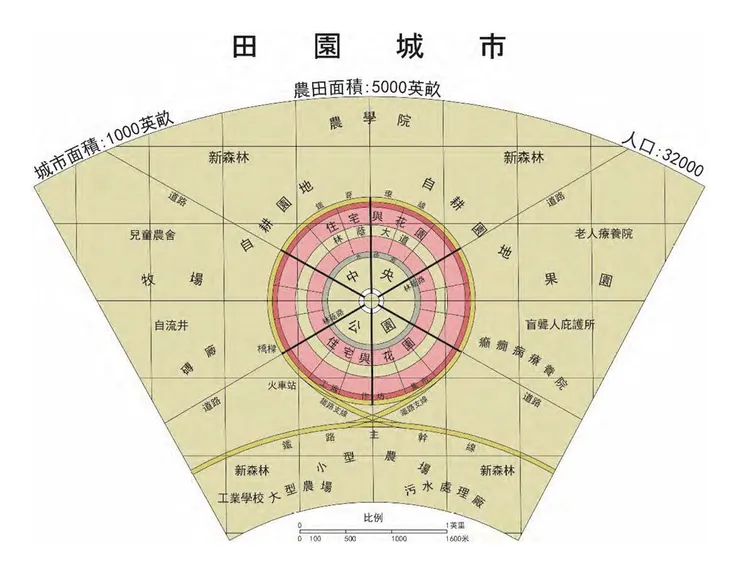
採訪中, 楊威博士首先解釋了什麼是「田園城市」。「田園城市」的概念,是 100 年前由英國霍華德爵士提出的。「田園城市」與「人間淨土」的理念有很多共通之處-「慈悲和無我」。建設一座「田園城市」,更多關注的是如何讓一個城市成為宜居的地方,讓人與自然能夠和諧共生,所有的人住在裡面心中能夠安住喜悅。
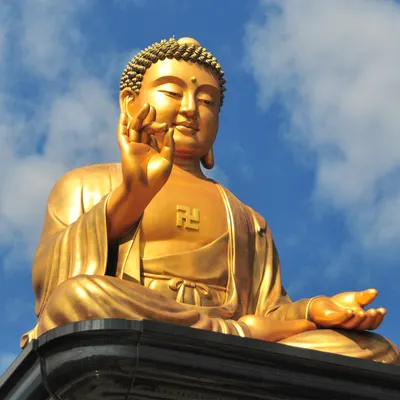
談到佛館,楊威博士用了四句話來形容:環境自然生態、建築莊嚴美麗、人我之間和諧、心裡安住喜悅。楊威博士利用疫情隔離期間與好友佛陀紀念館館長如常法師,共同撰寫了《人間淨土與田園城市》一書。讀者閱讀時從一側讀起是關於人間佛教;從另一側讀起則是田園城市。這一設計巧妙地凸顯出「人間淨土」與「田園城市」兩個概念之間的互通互融,特別是他們與當前21世紀的相關性和他們可以應用的地方。
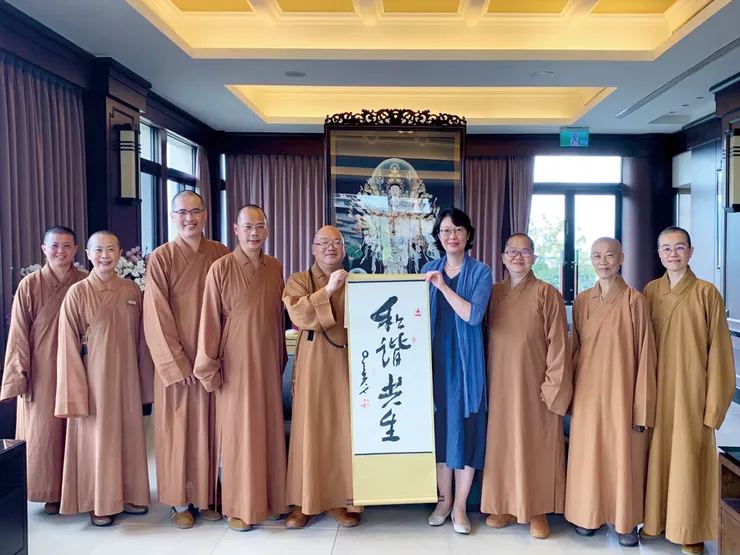
Summer heat at the Buddha Museum was chilled down by British breezes carried along by a special guest – Fellow of Academy of Social Sciences Dr. Wei Yang. Arriving from London in early June, Yang was the key figure who facilitated the donation of the Encyclopedia of Buddhist Arts to the British Library back in 2017. Her affinities with Fo Guang Shan and Venerable Master Hsing Yun can be traced back to her grandfather, Ding Junsheng. In 1949, being a Member of Taiwan Control Yuan, Ding rescued Venerable Master Hsing Yun and many other monks from detention.
In an interview, Yang explained the concept of "Garden Cities", which was created by Sir Ebenezer Howard in Britain 100 years ago. Similar to the principles of “Humanistic Pure Land”, the concept of “Garden Cities” are based on "compassion and selflessness", and focus on how to make a city liveable, and how to live in harmony with nature, so that people can live with peace and joy.
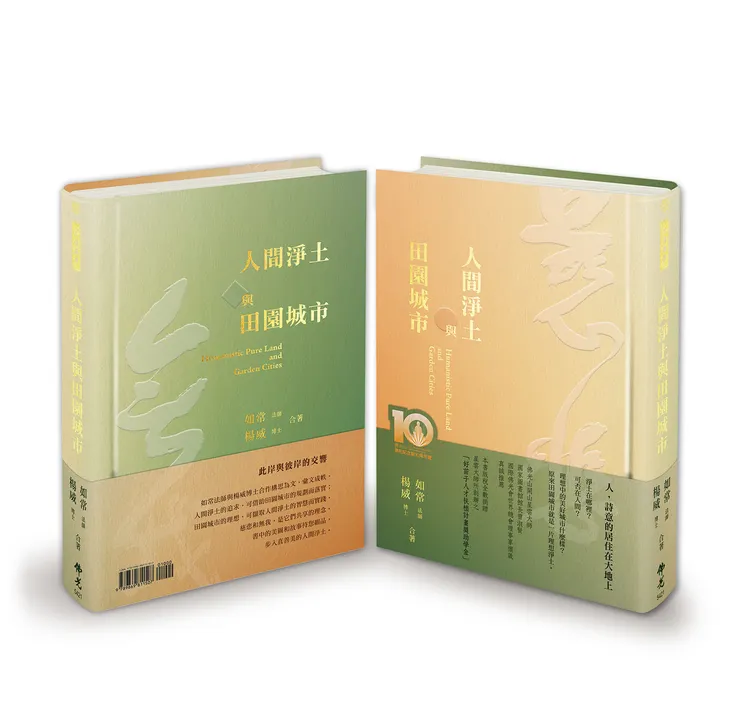
When describing the Buddha Museum, Dr. Yang shared a four-line verse: the environment is natural and eco-friendly; the architecture is majestic and beautiful; there is harmony between people; and everyone is filled with peace and joy. In 2022, Yang used her time during Covid-19 lockdown to co-author a book, Humanistic Pure Land and Garden Cities with her friend, Venerable Ru Chang, Director of the Fo Guang Shan Buddha Museum. A reader opening it from one side will read about the Humanistic Buddhism; from the other, Garden Cities. This ingenious design highlights the interconnection between the two concepts of “Humanistic Pure Land” and "Garden Cities", especially their relevance and application in the 21st Century.