Thermal desorption is a process that involves heating oily sludge to a specific temperature range (usually between 150 - 600°C) in the absence of oxygen or with a limited supply of oxygen. At these elevated temperatures, the volatile and semi - volatile organic compounds present in the oily sludge are vaporized and separated from the solid matrix. The desorbed vapors can then be further processed to recover valuable hydrocarbons, while the treated solid residue has a significantly reduced oil content and can be safely disposed of or reused.
The Life - Cycle Stages Considered in LCA
1. Raw Material Acquisition
The first stage in the life - cycle assessment of thermal desorption equipment for oily sludge treatment is the acquisition of raw materials. This includes the extraction of energy sources (such as natural gas or electricity) required to power the thermal desorption equipment. The extraction of these energy sources can have environmental impacts, such as land disturbance, water pollution, and greenhouse gas emissions. For example, the extraction of natural gas may involve hydraulic fracturing, which has been associated with water contamination and methane leakage.2. Equipment Manufacturing
The manufacturing of thermal desorption equipment also contributes to the environmental footprint. The production of steel, which is a major component of the equipment, requires significant energy and resources. The extraction of iron ore, the smelting process, and the manufacturing of various components all result in emissions of greenhouse gases, air pollutants, and solid waste generation. Additionally, the manufacturing process may involve the use of toxic chemicals, which can pose risks to workers and the environment if not properly managed.
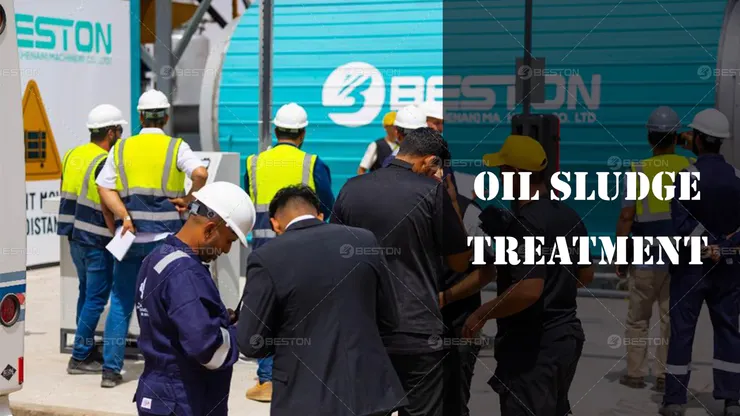
3. Oily Sludge Treatment
During the actual treatment of oily sludge, the thermal desorption process itself has several environmental implications. The energy consumption during the heating process is a major factor. If the energy source is fossil - based, significant greenhouse gas emissions, such as carbon dioxide, will be released. Moreover, the desorption of volatile organic compounds (VOCs) from the oily sludge can contribute to air pollution if not properly captured and treated. The off - gases from the thermal desorption process may contain harmful pollutants such as benzene, toluene, and xylene, which are known to have adverse effects on human health and the environment.
4. Product and Residue Management
After the thermal desorption process, the management of the recovered products (such as hydrocarbons) and the solid residue needs to be considered. The recovered hydrocarbons can be reused or sold as valuable resources, which can offset some of the environmental impacts of the treatment process. However, the transportation and further processing of these hydrocarbons may also result in additional energy consumption and emissions. The solid residue, although having a reduced oil content, still needs to be disposed of or reused. If the residue is landfilled, it may require proper containment to prevent the leaching of any remaining contaminants into the soil and groundwater.
5. Equipment Disposal
At the end of its useful life, the thermal desorption equipment needs to be disposed of. The dismantling and recycling of the equipment can also have environmental impacts. The separation of different materials, such as steel, plastic, and electronic components, requires energy and may involve the use of chemicals. If not recycled properly, the equipment can end up in landfills, contributing to waste accumulation.
Environmental Benefits of Oily Sludge Thermal Desorption Technology
1. Volume Reduction
One of the significant environmental benefits of thermal desorption is the volume reduction of oily sludge. By removing the volatile and semi - volatile components, the volume of the waste material is significantly decreased. This reduces the amount of space required for landfill disposal, which in turn helps to conserve land resources and minimize the potential for soil and water pollution associated with landfilling.
2. Resource Recovery
Thermal desorption enables the recovery of valuable hydrocarbons from oily sludge. This not only reduces the amount of waste but also provides a source of energy or raw materials for other industries. The reuse of these recovered resources can help to reduce the demand for virgin materials and energy, thus contributing to a more sustainable and circular economy.
3. Contaminant Reduction
The treated solid residue from thermal desorption has a significantly lower oil and contaminant content. This reduces the risk of environmental contamination when the residue is disposed of or reused. For example, if the residue is used in construction applications, the reduced contaminant levels ensure that it does not pose a threat to human health or the environment.
Environmental Concerns and Mitigation Strategies
1. Energy Consumption and Greenhouse Gas Emissions
The high energy consumption of the thermal desorption process, especially if powered by fossil fuels, is a major environmental concern. To mitigate this, the use of renewable energy sources, such as solar, wind, or biomass, can be explored. Additionally, energy - efficient equipment design and process optimization can help to reduce the overall energy demand.
2. Air Pollution
The release of VOCs and other air pollutants during the thermal desorption process can be mitigated through the installation of effective off - gas treatment systems. Technologies such as activated carbon adsorption, catalytic oxidation, and condensation can be used to capture and treat the pollutants before they are released into the atmosphere.
3. Solid Waste Management
Proper management of the solid residue is crucial to prevent environmental pollution. Recycling and reuse of the residue, such as in the construction industry or as a soil amendment after proper treatment, can reduce the need for landfill disposal. Additionally, the development of advanced solid waste treatment technologies can further minimize the environmental impact of residue management.
Conclusion
The environmental life - cycle assessment of oily sludge thermal desorption technology reveals a complex picture. While the technology offers significant environmental benefits in terms of volume reduction, resource recovery, and contaminant reduction, it also has several environmental concerns associated with energy consumption, air pollution, and solid waste management. By implementing appropriate mitigation strategies, such as the use of renewable energy, effective off - gas treatment, and proper solid waste management, the environmental performance of thermal desorption technology can be significantly improved. As the demand for sustainable oily sludge treatment solutions continues to grow, further research and development in this area will be essential to optimize the technology and minimize its environmental footprint.