
Designing Photo-Taking and Check-In Spots in Amusement Parks
Social media has changed how people experience amusement parks. Visitors are no longer just enjoying rides—they’re documenting and sharing their moments in real time. Creating spaces that encourage photos and check-ins can amplify your park’s visibility, generate organic promotion, and deepen guest engagement. These spaces serve as emotional anchors, offering both a memory and a shareable digital souvenir.
A photo-friendly environment doesn’t happen by accident. It is a result of deliberate design choices that blend aesthetics, lighting, location, and interactivity. Guests naturally gravitate toward areas that are visually striking, immersive, or exclusive. Once these areas are in place, they become unofficial marketing tools, broadcast to hundreds or thousands of people with every post.Key Elements of a Shareable Scene
To craft an effective photo-taking or check-in scene, several elements should be considered:
- Framing and Composition: Give guests a defined space to stand, sit, or pose. Use arches, props, or themed backdrops to frame the subject.
- Lighting: Natural light should be optimized where possible. For indoor spaces, soft LED lighting or neon outlines create strong contrast without overpowering the scene.
- Depth and Layers: Multi-dimensional spaces are more appealing. Add foreground elements like signs or flowers and background components like thematic scenery.
- Mobility and Flow: The space should not block pathways or exits. Maintain a steady flow of guests while allowing time for photos.
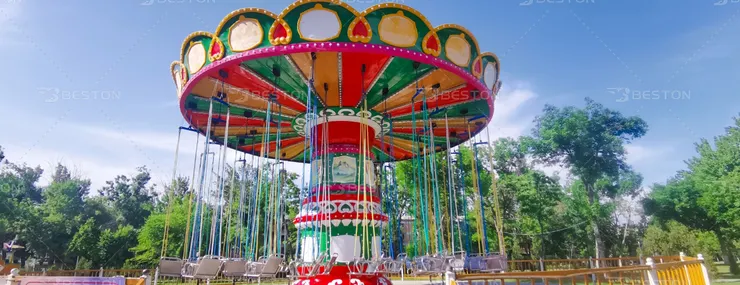
A simple swing ride can be transformed into a photographic centerpiece with the right foreground setup. A painted floor circle beneath the ride, paired with overhead string lights or colorful fencing, adds context. This helps capture the kinetic energy of the ride while offering a dynamic backdrop.
Integrating Themed Installations
Theming strengthens brand identity and enhances immersion. Static installations such as character statues, iconic logos, and 3D lettering are popular among guests looking for unique check-in content. Seasonal theming—like Halloween fog machines or Christmas light tunnels—invites return visits and repeat content sharing.
To enhance these installations:
- Use bold typography with recognizable park branding
- Add motion effects such as rotating elements or bubble machines
- Allow guests to touch or sit on certain props for a tactile experience
Keep in mind that interactive installations generate more photos. If guests can press buttons, change light colors, or trigger animations, they feel part of the scene rather than just observers.
Location Planning and Strategic Placement
Check-in points should be positioned at natural pause zones—entry gates, ride exits, rest areas, and scenic viewpoints. Guests are more likely to stop and capture content in these moments of transition. Avoid placing photo spots near crowded areas where lines may form or disrupt traffic.
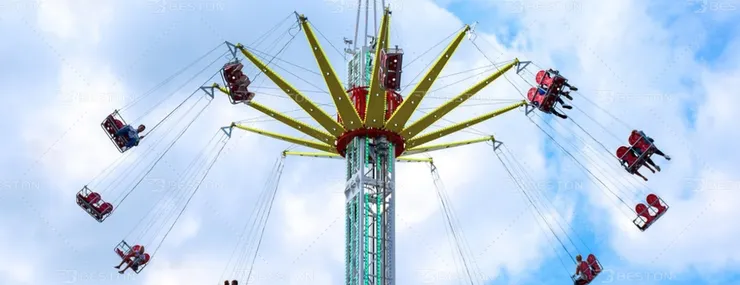
A towering structure like swing tower rides for sale offers a great opportunity to design a vertical photo frame. Set up a designated viewing deck or plaza at a safe distance with benches and selfie stands. A photo taken with the ride in motion behind the subject delivers height, movement, and drama in a single frame.
Placement tips:
- Highlight long-distance views or unique architecture
- Keep props and installations at human scale for ease of interaction
- Install signage or floor markers to guide photo composition
Enhancing User-Generated Content
Encouraging guests to post photos requires more than design—it requires motivation. Subtle nudges help boost participation and align content with your marketing goals.
Effective methods include:
- Hashtag signage: Display branded hashtags on nearby walls or props to make sharing intuitive
- Social contests: Offer discounts or merchandise for the best weekly photos
- QR codes: Use codes that link to digital frames, AR filters, or park info pages
Adding a digital element increases content creation. Consider photo booths with themed overlays or interactive kiosks that let users email photos to themselves with embedded branding. These tools not only support sharing but also grow your contact list for future marketing.
Designing for All Ages and Group Sizes
Photo spots should accommodate diverse visitor groups—families with kids, couples, solo travelers, and large groups. Avoid making installations that only work for single users unless they are part of a series. Add steps, rails, or seating to make it accessible for all ages and abilities.
Use visual cues to guide positioning:
- Footprint stickers show where to stand
- Mirror panels allow guests to self-check their framing
- Raised signage ensures group photos include key branding
Providing staff or volunteers to help take photos during peak hours can also improve satisfaction and keep lines moving. These roles can double as brand ambassadors or event staff for special occasions.
Seasonal Refresh and Digital Integration
Static installations can become stale if left unchanged for long periods. Refresh the space regularly by rotating seasonal backdrops, altering lighting schemes, or adding trending visual elements such as emoji icons or pop culture references.
Digital integration adds long-term value:
- Use projection mapping on structures to vary the scene nightly
- Install motion sensors to trigger sounds or lighting for better video content
- Add augmented reality filters through a park app to animate static scenes
These enhancements increase return visits and elevate the park’s social presence. Scenes that evolve with the calendar give guests a reason to return and repost.
Final Thoughts
Creating a check-in and photo-taking environment requires both creativity and planning. When executed correctly, these areas increase guest satisfaction, prolong visit duration, and multiply digital impressions. In a competitive entertainment market, leveraging user-generated content is one of the most cost-effective and impactful ways to grow visibility.
From classic ride shots to immersive set pieces, a well-designed visual experience becomes part of the attraction. When people come for the fun and leave with a picture worth sharing, your park remains top of mind long after the gates close.


