Rubber Tyred Gantry (RTG) cranes are widely used in container terminals, logistics yards, steel yards, and heavy industrial facilities due to their flexibility, high lifting capacity, and wide coverage. Traditionally, most RTG cranes were powered by diesel generator sets, offering independence from external power infrastructure and proven reliability in outdoor environments. However, increasing environmental regulations, rising fuel costs, and the push toward smart and sustainable operations have driven the rapid adoption of electric RTG (eRTG) cranes.
Today, operators face a critical decision: diesel RTG or electric RTG. Each technology has distinct advantages, limitations, and ideal application scenarios. This article provides a comprehensive comparison of electric and diesel RTG gantry cranes across technical performance, operating cost, environmental impact, infrastructure requirements, and long-term operational strategy, helping operators make informed investment decisions.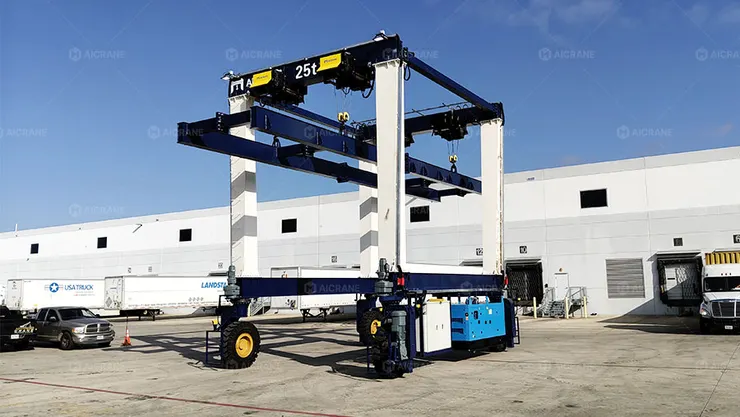
Overview of Diesel RTG Gantry Crane Technology
Diesel RTG cranes are powered by onboard diesel generator sets that supply electricity to hoisting, trolley travel, and gantry travel motors. This self-contained power system allows the crane to operate independently of external power sources.
Key Characteristics of Diesel RTGs
Diesel RTGs are valued for their mobility and flexibility. Since they do not rely on external power rails or cable reels, they can easily move across large yards and adapt to changing layouts. This makes them suitable for terminals with evolving operational requirements or temporary project-based yards.
From a technical standpoint, diesel RTGs use well-established engine and generator technology. Maintenance teams are generally familiar with diesel engines, and spare parts are widely available in most regions.
However, diesel engines produce exhaust emissions, noise, and vibration, which have become increasingly problematic in environmentally sensitive areas and densely populated ports.
Overview of Electric RTG Gantry Crane Technology
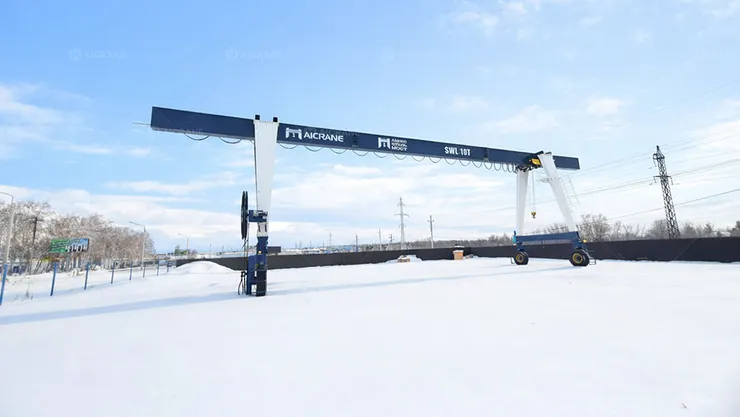
Electric RTG cranes are powered by external electrical sources rather than onboard diesel engines. Power is supplied through systems such as cable reels, conductor bars, or busbar systems, depending on yard layout and operational requirements.
Key Characteristics of Electric RTGs
Electric RTGs are designed to deliver clean, quiet, and energy-efficient operation. By eliminating or significantly reducing diesel engine usage, eRTGs achieve lower operating costs and substantially reduced emissions.
Modern electric rubber tired gantry cranes are often integrated with smart control systems, energy management platforms, and terminal operating systems. This makes them well suited for automated and semi-automated terminals pursuing digitalization and sustainability goals.
The main trade-off is reduced freedom of movement compared to diesel RTGs, as power supply infrastructure must be planned and maintained.
Performance and Operational Capability Comparison
Lifting and Handling Performance
From a pure lifting capability perspective, electric and diesel RTGs offer comparable performance. Both technologies can be designed to handle similar capacities, spans, and lifting heights. Hoisting speed, trolley travel speed, and positioning accuracy depend more on drive systems and control technology than on the power source itself.
Electric RTGs often provide smoother acceleration and deceleration due to stable power supply and advanced variable frequency drive (VFD) systems. This can improve load control and reduce mechanical stress over time.
Mobility and Yard Flexibility
Diesel RTGs clearly excel in mobility and layout flexibility. Without power cables or conductors, they can move freely across the yard, change stacking blocks, and operate in temporary or remote locations.
Electric RTGs, while still mobile, are constrained by power supply paths. Careful yard planning is required to ensure uninterrupted operation, particularly when using cable reel systems.
Energy Efficiency and Operating Cost Comparison
Fuel vs Electricity Costs
One of the most significant differences between diesel and electric RTGs lies in energy cost. Diesel fuel prices are volatile and generally higher per unit of energy compared to electricity, especially in regions with stable grid infrastructure.
Electric RTGs consume less energy overall and benefit from predictable electricity pricing. Over the crane’s lifecycle, energy cost savings can be substantial, particularly in high-utilization terminals.
Maintenance Cost Differences
Diesel RTGs require regular engine maintenance, including oil changes, fuel system servicing, and exhaust system upkeep. These maintenance tasks add to operational downtime and long-term cost.
Electric RTGs eliminate most engine-related maintenance. While electrical components still require inspection and servicing, overall maintenance effort and cost are typically lower. Reduced vibration also contributes to longer service life for mechanical components.
Environmental and Regulatory Impact
Emissions and Sustainability
Diesel RTGs produce CO₂, NOₓ, and particulate emissions, which contribute to air pollution and greenhouse gas output. Many ports are now subject to strict environmental regulations and carbon reduction targets, making diesel-powered equipment less attractive.
Electric RTGs offer near-zero local emissions, especially when powered by renewable energy sources. This makes them a preferred solution for green ports, urban terminals, and environmentally regulated regions.
Noise Pollution
Diesel engines generate significant noise, which can impact worker comfort and nearby communities. Electric RTGs operate much more quietly, improving working conditions and compliance with noise regulations.
Infrastructure and Investment Considerations
Initial Capital Investment
Diesel RTGs typically have a lower initial purchase price, as they do not require extensive electrical infrastructure. This makes them appealing for operators with limited upfront budgets or short-term projects.
Electric RTGs require investment in power supply systems, such as cable reels, conductor bars, substations, and electrical distribution networks. While this increases initial cost, it should be evaluated against long-term operating savings.
Yard Infrastructure Requirements
Electric RTGs demand careful yard planning. Power supply routes must be protected, and system redundancy may be required to avoid operational disruptions.
Diesel RTGs, by contrast, require only fuel storage and refueling infrastructure, which is often already available in industrial environments.
Automation and Smart Terminal Compatibility
Electric RTGs are generally better suited for automation and smart terminal integration. Stable power supply and digital control systems make them ideal for semi-automated and fully automated operations.
Electric RTGs integrate more easily with IoT platforms, energy monitoring systems, and digital twins. This enables predictive maintenance, real-time performance optimization, and centralized control.
Diesel RTGs can also be automated, but engine dynamics and emissions management add complexity to advanced automation strategies.
Reliability and Operational Resilience
Diesel RTGs offer high resilience in locations with unreliable electrical infrastructure. They can continue operating during grid outages, making them suitable for remote regions or developing markets.
Electric RTGs depend on stable power supply. However, modern designs often include backup systems or hybrid configurations to mitigate power interruptions.
Typical Application Scenarios
When Diesel RTGs Are More Suitable
Diesel RTGs are often preferred for:
- Remote or temporary yards
- Facilities with frequent layout changes
- Regions with unstable or expensive electricity supply
- Short-term projects with limited infrastructure investment
When Electric RTGs Are the Better Choice
Electric RTGs are ideal for:
- High-throughput container terminals
- Environmentally regulated ports
- Long-term operations with stable layouts
- Smart terminals focused on automation and sustainability
Future Trends: Hybrid and Full Electrification
The future of RTG technology is moving toward hybrid and fully electric solutions. Many operators are retrofitting existing diesel RTGs with electric or hybrid power systems to reduce emissions without replacing entire fleets.
As renewable energy integration and energy storage technology improve, electric RTGs will become even more attractive, further narrowing the gap in flexibility while strengthening their advantages in efficiency and sustainability.
Conclusion
The comparison between electric and diesel RTG gantry cranes is not about identifying a universally superior technology, but about choosing the right solution for specific operational needs. Diesel RTGs offer unmatched flexibility and independence, while electric RTGs deliver superior energy efficiency, lower operating costs, and environmental benefits.
For operators planning long-term, high-volume, and environmentally responsible operations, electric gantry cranes represent a strategic investment. For those prioritizing mobility, rapid deployment, or operation in infrastructure-limited regions, diesel RTGs remain a practical and proven solution.
Ultimately, a thorough evaluation of yard layout, operational intensity, regulatory environment, and total cost of ownership is essential to making the right decision between electric and diesel RTG gantry crane technologies.