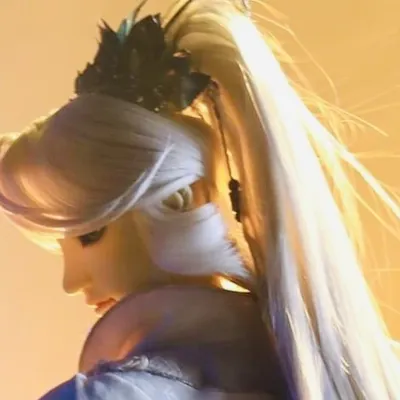
She believed every abandoned structure still held a rhythm, and that if one listened long enough, cracked walls and dim instruments would confess what they had once measured.
2026.03.14
珍最近成為了一名修復風化天文臺的人,這是一種如此奇特的職業,以至於山谷裡的大多數人都以為那是被發明出來安慰廢墟的。她帶著一只裝有黃銅工具、柔軟布料與寫滿被遺忘機械小圖示的筆記本的箱子,從一座山丘走到另一座山丘。無論她在哪裡工作,寂靜似乎都會聚集在她周圍,不是作為空無,而是作為一位耐心的聽眾。她相信每一座被遺棄的建築仍然保有一種節奏,而如果一個人聆聽得夠久,龜裂的牆壁與昏暗的儀器就會坦白它們曾經測量過什麼。在一個秋天的傍晚,她來到一座獨自矗立在一排疲憊柏樹之外的天文臺。圓頂已經數十年沒有打開。灰塵覆蓋著齒輪,而那架巨大望遠鏡的鏡片已經變得混濁,彷彿它一直在緊閉的眼睛後面做夢。珍點起一盞樸素的燈,並開始她細緻的勞動。她鬆開生鏽的鉸鏈,擦亮玻璃,並把褪色的銘文抄寫進她的筆記本裡。外面,風緩慢地穿過草地移動,而世界似乎和她一起等待。
接近午夜時,圓頂發出一聲漫長而酸痛的嘆息,終於轉動了。在她上方,一個黑暗天空的圓圈打開了。珍向上看去,期待著距離,但出現的事物卻感覺異常親近。星星是昏微的、溫柔的、靠近的,彷彿它們降下來不是為了被研究,而是為了陪伴她。在鏡片柔和的反射中,她看到的不是她精確的臉,而是一個被多年的忍耐、溫柔與未完成的思想所塑造出的版本。她微笑了,沒有勝利感。那時她明白了,修復從來不是關於把事物帶回它們曾經的樣子。它是關於幫助它們保持在場足夠久,好讓它們再次發光,即使穿過模糊、磨損與時間。
Jane had recently become a restorer of weathered observatories, a profession so peculiar that most people in the valley assumed it was invented to comfort ruins. She traveled from hill to hill with a case of brass tools, soft cloth, and notebooks filled with small diagrams of forgotten mechanisms. Wherever she worked, silence seemed to gather around her, not as emptiness, but as a patient audience. She believed every abandoned structure still held a rhythm, and that if one listened long enough, cracked walls and dim instruments would confess what they had once measured.
One autumn evening, she arrived at an observatory standing alone beyond a line of tired cypress trees. The dome had not opened in decades. Dust coated the gears, and the lens of the great telescope had grown cloudy, as though it had been dreaming behind closed eyes. Jane lit a modest lamp and began her careful labor. She loosened rusted hinges, polished glass, and copied faded inscriptions into her notebook. Outside, the wind moved slowly through the grass, and the world seemed to wait with her.
Near midnight, the dome gave a long, aching sigh and finally turned. A circle of dark sky opened above her. Jane looked upward, expecting distance, but what appeared felt strangely intimate. The stars were dim, tender, and near, as if they had descended not to be studied, but to accompany her. In the softened reflection of the lens, she saw not her exact face, but a version shaped by years of endurance, gentleness, and unfinished thought. She smiled without triumph. Restoration, she understood then, was never about returning things to what they had been. It was about helping them remain present long enough to shine again, even through blur, wear, and time.