Gantry cranes are essential lifting solutions in industrial, construction, and maritime environments. They provide reliable and efficient material handling, accommodating a wide range of loads, spans, and operational conditions. However, when it comes to acquiring a gantry crane, one critical factor that can significantly influence both the cost and operational efficiency is customization. Customized gantry cranes are specifically designed to meet the unique requirements of a project or facility, and this level of personalization can either increase or optimize costs depending on how it is approached. This article explores the impact of customization on gantry crane costs, factors to consider, and strategies for optimizing cost without compromising performance.
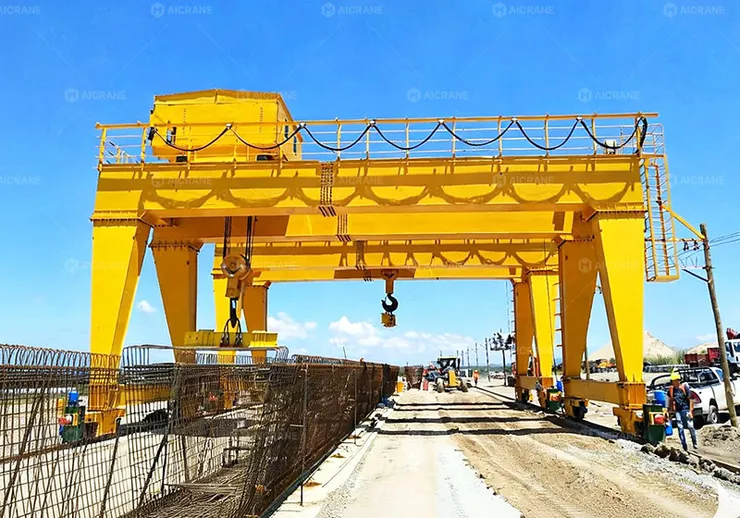
Understanding Gantry Crane Customization
Customization in gantry cranes refers to tailoring the design, components, and features to fit the specific needs of the user. Standard gantry cranes come in fixed sizes and capacities, often with predefined operational features. While standard models are cost-effective and sufficient for general applications, they may not address particular project challenges such as unusual load weights, unique site conditions, or specialized operational requirements.
Customization options for gantry cranes can include:
- Load capacity adjustments – modifying the crane to lift heavier or lighter loads than standard models.
- Span and height modifications – altering the crane’s width and lifting height to fit specific site constraints.
- Advanced control systems – implementing remote control, cabin control, or fully automated operation systems.
- Specialized hoists and trolleys – using double hoists, spreader beams, or magnetic lifting devices for particular load types.
- Environmental adaptations – ensuring functionality in extreme temperatures, corrosive environments, or high-humidity conditions.
- Mobility and track options – designing for rail-mounted, rubber-tyred, or semi-mobile configurations to suit operational requirements.
- Safety and monitoring systems – integrating overload protection, anti-sway mechanisms, or digital monitoring systems.
Each of these customization options carries a cost, but they also provide efficiency, safety, and operational benefits that can make the investment worthwhile.
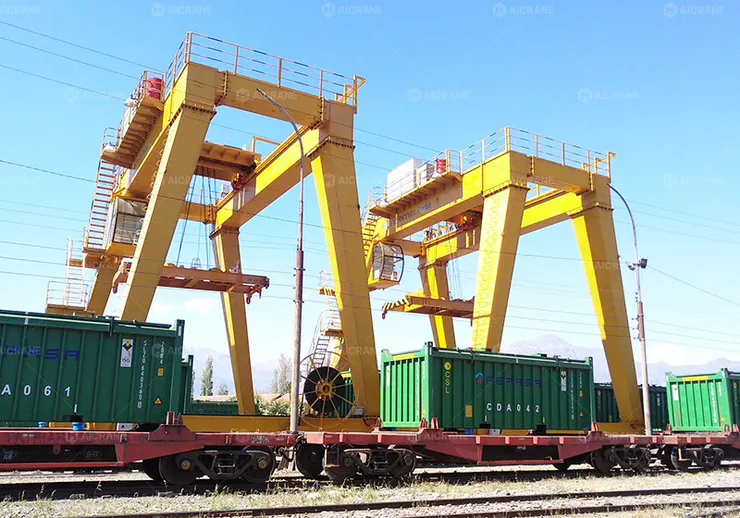
How Customization Increases Gantry Crane Cost
The primary reason customization often increases gantry crane cost is that it involves additional engineering, materials, and specialized components. Here are the key factors that drive cost increases:
1. Engineering and Design Complexity
Custom gantry cranes require detailed engineering to ensure that the crane can safely handle the specified loads and operate efficiently in the designated environment. This involves structural analysis, load calculations, and often finite element modeling to optimize the crane’s design. Customized engineering requires highly skilled labor and extended design time, which naturally increases the upfront cost.
2. Material Selection and Fabrication
Standard cranes use conventional steel and components that are readily available, keeping manufacturing costs low. Custom cranes, however, may require higher-grade steel, corrosion-resistant coatings, or reinforced structural elements to meet specific load or environmental requirements. Specialized fabrication processes, including precision welding or machining, also add to the cost.
3. Advanced Components and Technology
Integrating advanced control systems, sensors, or monitoring equipment can significantly raise the cost. For instance, a gantry crane equipped with a Variable Frequency Drive (VFD) system, anti-sway technology, or digital twin monitoring is more expensive than a standard crane, but these components enhance performance and safety.
4. Low Production Volume
Customized cranes are typically produced in smaller quantities or as one-off units. This reduces the economies of scale enjoyed by standard models, meaning the manufacturer cannot spread fixed costs over multiple units. Consequently, the per-unit cost rises.
5. Installation and Commissioning
Custom cranes may require special foundations, track layouts, or assembly procedures. On-site adjustments, testing, and training for personnel handling the new equipment also contribute to higher costs.
How Customization Optimizes Gantry Crane Cost
While customization can increase initial expenses, it can also optimize overall cost by enhancing efficiency, extending service life, and reducing operational risks. Here’s how:
1. Increased Operational Efficiency
A gantry crane customized for specific site dimensions and load types minimizes downtime and increases productivity. For example, adjusting the crane’s span and lifting height ensures that it can move materials efficiently without unnecessary repositioning. Similarly, a crane with automated or remote control features can speed up operations while reducing labor costs.
2. Reduced Maintenance Costs
Custom cranes designed with durable materials and high-quality components often require less maintenance. For instance, cranes in corrosive or high-temperature environments can be equipped with corrosion-resistant coatings or specialized motors, preventing frequent repairs or replacements. This reduces the lifetime cost of the crane.
3. Enhanced Safety and Reduced Risk
Customized safety features, such as overload protection, anti-sway mechanisms, and digital monitoring systems, help prevent accidents and equipment damage. Avoiding operational disruptions, worker injuries, and load damage can result in significant long-term cost savings.
4. Extended Lifespan
Cranes optimized for their specific operating conditions typically experience less wear and tear. By selecting components suited to the load and environmental conditions, customization ensures longer service life, reducing the need for early replacement or expensive retrofits.
5. Tailored Energy Efficiency
Customization can include energy-efficient motors, regenerative braking systems, or variable speed drives that reduce energy consumption. Over time, these features lower operating costs, offsetting higher initial investments.
Strategic Approaches to Cost-Effective Customization
While customization offers many advantages, it is essential to approach it strategically to ensure that costs remain optimized. Here are some best practices:
1. Prioritize Critical Customizations
Focus on modifications that directly improve efficiency, safety, or compliance with operational requirements. Avoid unnecessary features that add cost without delivering tangible benefits.
2. Collaborate with Experienced Manufacturers
Working closely with an experienced gantry crane manufacturer ensures that customization is practical, cost-effective, and adheres to industry standards. Manufacturers can suggest alternative solutions that meet requirements at a lower cost.
3. Plan for Future Expansion
Designing the crane with modular features or upgrade options can reduce long-term costs. For example, a gantry crane can be initially equipped for current load requirements but designed to handle higher capacities in the future.
4. Balance Standardization with Customization
Combining standard components with custom features can be a cost-effective approach. For instance, a standard crane structure can be adapted with a custom hoist or control system, achieving both savings and performance optimization.
5. Consider Total Cost of Ownership
Instead of focusing solely on the initial purchase price, evaluate the total cost of ownership, including energy use, maintenance, and operational efficiency. Investing in thoughtful customization can reduce overall costs over the crane’s operational life.
Conclusion
Customization plays a critical role in defining the cost and value of a gantry crane. While it can increase the initial investment due to specialized engineering, materials, and components, it can also optimize costs over the crane’s lifetime by improving operational efficiency, safety, durability, and energy performance. The key is to approach customization strategically, balancing essential modifications with practical cost considerations.
By collaborating with experienced manufacturers, prioritizing critical requirements, and considering long-term operational benefits, businesses can ensure that customized gantry cranes provide maximum return on investment. In the modern industrial landscape, where efficiency and safety are paramount, thoughtful customization transforms gantry cranes from a standard lifting tool into a tailored solution that meets specific operational needs while optimizing overall costs.