
Double girder gantry cranes are widely used in heavy industries, manufacturing plants, shipyards, and logistics hubs, thanks to their high lifting capacity, wide spans, and stability during operations. One of the key factors enabling the efficient and safe operation of these cranes is the synchronous drive mechanism. This mechanism ensures that the crane’s movement along its rails is smooth, coordinated, and capable of handling heavy loads without causing undue stress on the crane structure or its components. Understanding the synchronous drive system in double girder gantry cranes is essential for crane operators, engineers, and maintenance teams aiming to optimize performance and extend the lifespan of their equipment.
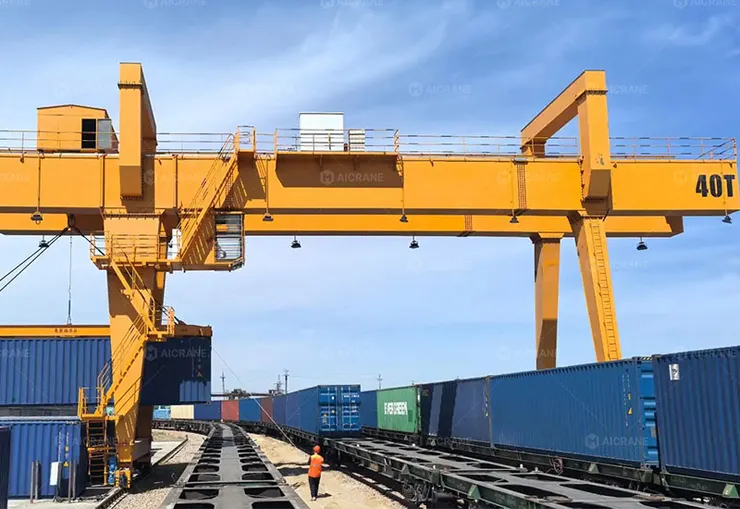
What is a Synchronous Drive Mechanism?
A synchronous drive mechanism is a system that coordinates the movement of multiple motors to operate in unison. In the context of a double girder gantry crane, this mechanism primarily ensures that the crane’s end trucks, which run along the rails, move simultaneously at the same speed and in the same direction. The synchronous operation prevents uneven loading, structural twisting, and excessive wear on the wheels and rails.
The main components involved in a synchronous drive system include:
- Dual Drive Motors: Located on the crane’s end trucks, these motors provide the necessary traction to move the crane along the rails.
- Gearboxes: These transmit the rotational force from the motors to the wheels, allowing for controlled speed and torque.
- Synchronization Controllers: Electronic or programmable logic devices monitor and adjust the speed of each motor to maintain precise coordination.
- Sensors and Encoders: Devices that measure wheel rotation, motor speed, and crane position, providing real-time feedback to the synchronization controller.
- Braking System: Ensures controlled deceleration and stops, preventing overshoot or imbalance during movement.
Importance of Synchronous Drive in Double Girder Gantry Cranes
Double girder gantry cranes are designed to lift extremely heavy loads, often exceeding tens or even hundreds of tons. When such heavy loads are suspended from the hoist trolley, any imbalance in crane movement can lead to structural stress, safety hazards, and mechanical wear. The synchronous drive mechanism addresses these concerns in several ways:
1. Balanced Load Distribution
When both end trucks of a gantry crane move in perfect synchrony, the load suspended from the trolley remains balanced. Unequal movement can cause one side of the crane to lag, leading to a twisting effect on the girders and excessive stress on the hoisting mechanism. The synchronous drive ensures that forces are evenly distributed, maintaining the crane’s structural integrity.
2. Reduced Mechanical Wear
Asymmetrical movement of crane wheels can result in uneven wear on the wheels, rail tracks, and gearboxes. This increases maintenance costs and shortens equipment life. A properly synchronized drive system minimizes these effects, allowing for smoother operation and reducing long-term maintenance requirements.
3. Enhanced Safety
Crane operations always carry the risk of accidents due to load swinging or uncontrolled movement. A synchronous drive reduces the risk of such incidents by maintaining stable movement along the rails. By preventing twisting, jerking, or uneven acceleration, the system protects both the load and the operators.
4. Improved Operational Efficiency
Synchronized motion allows the crane to operate at optimal speed without compromising stability. Operators can achieve faster cycle times for lifting and transporting materials, enhancing productivity in industrial environments such as steel plants, shipyards, and large warehouses.
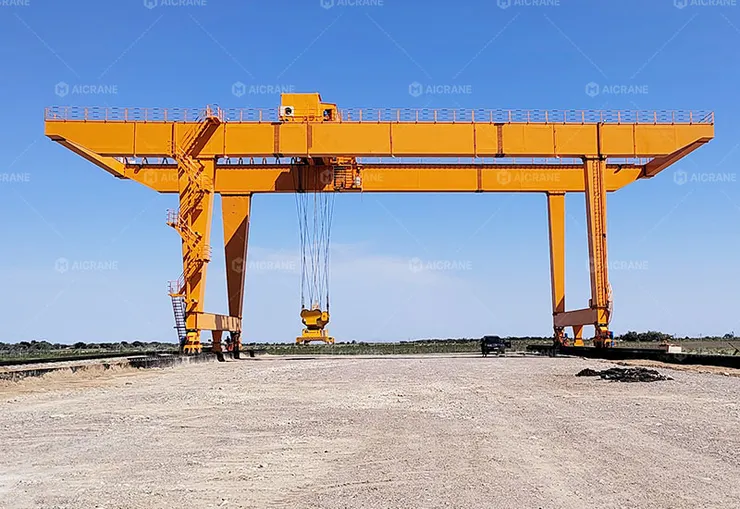
How the Synchronous Drive Mechanism Works
The operation of a synchronous drive system involves a combination of mechanical and electronic components working together to ensure coordinated movement.
Step 1: Motor Activation
When the crane operator initiates movement along the runway, dual drive motors on each end truck are activated simultaneously. Each motor is capable of independent rotation, but their speeds are controlled to remain identical.
Step 2: Feedback Loop
Sensors installed on the crane wheels or motors provide real-time data on speed and position. Encoders measure rotational speed, while linear sensors or tachometers monitor crane displacement along the rail.
Step 3: Synchronization Control
The feedback from the sensors is fed into a synchronization controller, which continuously compares the speed and position of both end trucks. If any deviation occurs, the controller adjusts the motor output to correct the difference instantly.
Step 4: Smooth Load Movement
As the crane moves along the runway, the synchronized drive ensures that the load remains level, preventing swaying or torsional stress on the crane girder. Even when operating under maximum rated load, the crane can move steadily and safely.
Step 5: Braking and Stopping
When the operator commands a stop, the braking system engages gradually. The synchronous drive ensures that both end trucks decelerate at the same rate, preventing sudden jolts or uneven stopping forces that could compromise stability.
Types of Synchronous Drive Systems
There are different approaches to achieving synchronization in double girder gantry cranes:
1. Mechanical Synchronous Drives
Some cranes use mechanical linkages, such as shafts or chains, to physically connect the motors on each end truck. While reliable, this approach is less flexible and harder to maintain, especially for large gantry cranes with long spans.
2. Electronic Synchronous Drives
Modern gantry cranes typically use electronic or digital synchronization systems. Programmable controllers monitor motor speed via encoders and adjust power output in real time. This method allows greater precision, easier maintenance, and the ability to implement advanced features such as acceleration and deceleration profiles.
3. Hybrid Systems
In some high-capacity cranes, a combination of mechanical and electronic synchronization is used. Mechanical linkages provide a basic level of coordination, while electronic controllers fine-tune the movement for maximum stability.
Maintenance and Troubleshooting
Even the most advanced synchronous drive systems require regular maintenance:
- Motor Inspection: Check for overheating, unusual vibrations, and proper lubrication.
- Gearbox Maintenance: Ensure gear teeth are not worn or damaged, and oil levels are adequate.
- Sensor Calibration: Encoders and tachometers should be periodically calibrated to maintain accuracy.
- Controller Checks: Verify that the synchronization controller responds correctly to feedback and that software updates are applied if necessary.
- Wheel and Rail Alignment: Misaligned wheels or rails can affect synchronization, so regular inspections are critical.
Common issues include slight speed differences between motors, slipping brakes, or sensor faults. Troubleshooting typically involves identifying the source of the deviation, recalibrating sensors, or replacing worn components.
Advantages of Synchronous Drive Mechanism
The integration of a synchronous drive mechanism in double girder gantry cranes provides several benefits:
- Increased Load Capacity: Stable movement allows for heavier loads without risk.
- Reduced Structural Stress: Even distribution of forces prolongs crane lifespan.
- Higher Operational Precision: Smooth motion improves positioning accuracy for delicate or oversized loads.
- Lower Maintenance Costs: Synchronized movement reduces wear and tear on mechanical parts.
- Enhanced Safety: Operators can move loads confidently, minimizing the risk of accidents.
Applications
Synchronous drive mechanisms are especially beneficial in industries where precision and stability are critical:
- Steel Mills: Handling heavy coils, slabs, and billets requires balanced crane movement to prevent accidents.
- Shipyards: Loading and unloading ship components demand high stability over long spans.
- Manufacturing Plants: Movement of large machinery or molds benefits from precise synchronization.
- Ports and Logistics Hubs: Cranes moving containers or bulk cargo need smooth operation to avoid damage.
Conclusion
The synchronous drive mechanism is a cornerstone technology for modern double girder gantry cranes. By coordinating dual drive motors, providing real-time monitoring, and ensuring balanced movement, it enables these cranes to handle heavy loads safely and efficiently. Whether using mechanical, electronic, or hybrid systems, synchronization enhances operational safety, reduces mechanical wear, and maximizes productivity.
For industrial operators, understanding the principles and maintenance requirements of synchronous drive systems is crucial. Properly maintained, these mechanisms allow double girder gantry cranes to perform reliably for decades, delivering consistent performance in some of the most demanding industrial environments.


