When it comes to purchasing a 50-ton overhead crane, one of the most important factors influencing its price is the crane's design. A crane's design encompasses its structure, components, functionality, safety features, and more. All these elements work together to ensure the crane meets specific lifting requirements while also ensuring durability, efficiency, and safety. This article will explore the role of crane design in determining the price of a 50-ton overhead crane, highlighting the key design elements and their impact on cost.
Understanding the Basics of an Overhead Crane
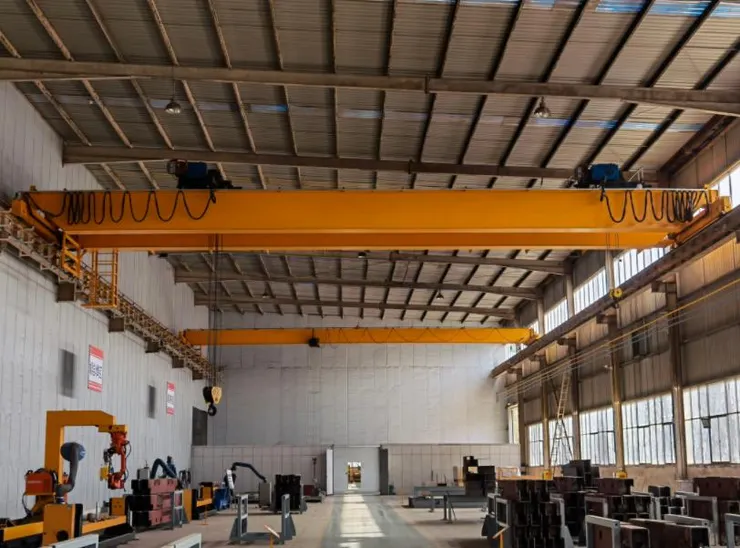
An overhead crane is a type of lifting device commonly used in various industrial applications to move heavy loads from one place to another. Overhead cranes are usually designed with a fixed structure that includes a bridge, hoist, trolley, and runway system. The crane's lifting capacity, span, lifting height, and other technical specifications are determined based on the needs of the operation.For a 50-ton overhead crane, the design must be robust enough to handle large loads while maintaining stability and safety. Factors like load capacity, span, environment, and work duty will influence the crane's design, which, in turn, will directly impact the 50 ton overhead crane price.
Key Design Factors That Influence the Price
1. Load Capacity and Structure
The load capacity is one of the most significant factors that determine the price of a 50-ton overhead crane. A crane designed to lift 50 tons must have a strong structure capable of supporting the weight without compromising safety or performance.
- Material Strength and Quality: Higher-quality materials such as high-strength steel are used in the crane's frame and components to ensure that the crane can handle heavy loads. The cost of these materials is a significant factor in the overall price.
- Reinforced Structural Design: A 50-ton overhead crane requires an advanced structural design to maintain its strength and stability. Reinforcements in critical areas such as the bridge, trolley, and hoist mechanism increase the design complexity and, consequently, the cost.
2. Span and Lifting Height
The span and lifting height of a crane are fundamental to determining its design complexity and cost.
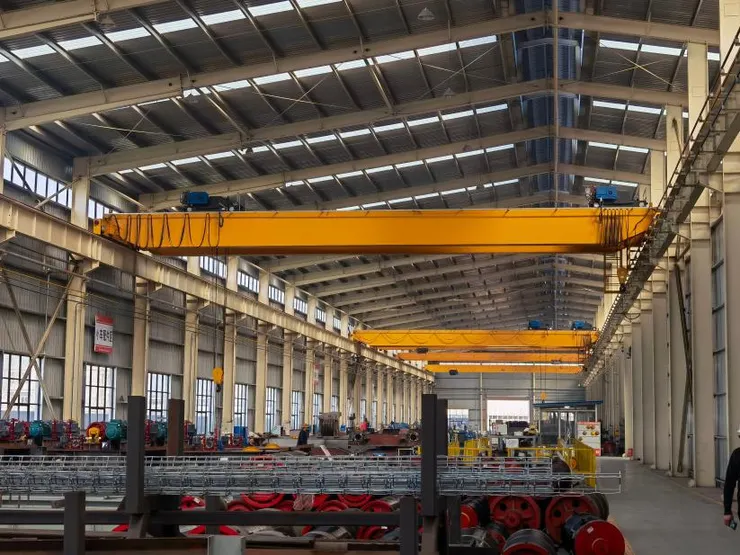
- Span: The span refers to the distance between the two support columns of the crane. For a 50-ton crane, the span is typically wider than smaller cranes. A larger span requires more complex structural components and additional reinforcement to maintain stability during operation. The larger the span, the more expensive the crane will be to manufacture and install.
- Lifting Height: The lifting height, or the maximum distance the crane can raise a load, also affects the crane design. Cranes designed for higher lifting heights typically require longer hoists, more sophisticated counterbalance mechanisms, and enhanced stability features, which contribute to a higher price.
3. Hoisting Mechanism
The hoisting mechanism is the core component responsible for lifting and lowering heavy loads. The design of the hoist, motor, drum, and wire rope all contribute to the crane’s ability to handle a 50-ton load.
- Motor Power: A 50-ton crane requires a powerful hoist motor to lift such heavy loads efficiently. The motor's capacity, whether electric or hydraulic, directly influences the overhead crane price. Cranes equipped with more advanced or higher-capacity motors tend to cost more due to the increased energy requirements and the complexity of the system.
- Drum and Wire Rope Design: The hoist drum and wire rope must be designed to accommodate the large loads being lifted. The strength of the wire rope, the durability of the drum, and the overall design will affect the crane’s cost. Cranes with advanced hoisting mechanisms designed for smoother operation and longer life expectancy come at a higher price.
4. Control System and Automation
The control system plays a significant role in crane performance, safety, and ease of operation. Modern overhead cranes often come with sophisticated control systems that allow for precise movements and automation, which increase the overall price.
- Control Modes: A 50-ton overhead crane can be equipped with different control modes, such as ground control, pendant control, or remote control. Cranes with advanced control systems, especially wireless remote control, tend to be more expensive due to the higher cost of electronics, sensors, and wireless components.
- Automation and Smart Features: Some cranes come with automated functions, such as load sensing, anti-sway mechanisms, and programmable logic controllers (PLCs). These automation features increase operational efficiency but also raise the price of the crane.
5. Safety Features
Safety is a primary concern in crane design. Cranes designed to handle heavy loads like 50 tons need to have robust safety features to protect operators, workers, and the crane itself. The inclusion of safety features such as overload protection, anti-sway systems, limit switches, and emergency braking systems will add to the cost of the crane.
- Overload Protection: For a crane lifting 50 tons, overload protection is essential. Sensors that detect when a load exceeds the rated capacity can prevent the crane from operating under unsafe conditions. The integration of these features adds to the cost of the crane but is necessary for ensuring safe operations.
- Anti-Sway Mechanism: To prevent the load from swinging uncontrollably during lifting, cranes may be equipped with anti-sway systems. These systems use sensors and controllers to counteract the load's movement, improving precision. Anti-sway systems add both complexity and cost to the crane design.
6. Environmental Considerations
The environment in which the crane operates also plays a role in its design and price. For example, cranes used in harsh or extreme environments such as offshore locations, steel mills, or foundries may require additional design considerations.
- Corrosion Resistance: In harsh environments, cranes must be designed with materials that resist corrosion. Special coatings, such as galvanization or weather-resistant paint, may be required, which can increase the price.
- Temperature Control: If the crane is used in environments with extreme temperatures, such as freezing conditions or high heat, the design must include temperature-resistant components, which can also increase the cost.
7. Customization and Special Requirements
Often, a 50-ton overhead crane needs to be customized to meet specific operational requirements. Customizations may include modifications to suit particular space constraints, special lifting attachments, or changes to the hoisting system.
- Tailored Design: Custom designs that are tailored to a customer’s exact specifications will increase the price. This includes modifications in the crane’s length, height, lifting speed, or any other functional aspects.
- Attachments and Accessories: Cranes can be equipped with various attachments, such as lifting beams, spreader bars, or magnets for specific tasks. These additional components add to the overall cost of the crane.
8. Maintenance and After-Sales Service
Cranes require regular maintenance to ensure safe and efficient operation. The design of the crane can affect how easily it can be maintained.
- Ease of Maintenance: Cranes that are designed with ease of maintenance in mind, such as those with accessible components and simple repair procedures, will generally have lower long-term maintenance costs. This ease of maintenance can affect the initial purchase price.
- Warranty and After-Sales Service: The cost of the crane can also include after-sales services such as installation, training, and ongoing support. Comprehensive warranties and service packages can add to the upfront price of the crane.
Conclusion
The design of a 50-ton overhead crane is a critical factor in determining its price. From the structural materials used to the complexity of the hoisting system, every aspect of the crane’s design influences its cost. By considering factors such as load capacity, span, lifting height, safety features, and environmental considerations, manufacturers create cranes that meet specific operational requirements while ensuring safety, efficiency, and durability. When purchasing a 50-ton overhead crane, it is important to carefully evaluate the crane’s design features to ensure that it provides value for money while meeting the operational needs of your business.