When planning to install an overhead crane system, one of the first and most critical decisions is determining whether to use a single girder or a double girder crane. While both configurations serve the same purpose - lifting and moving heavy loads efficiently - their design, structure, and installation requirements differ significantly. Understanding these distinctions is essential for ensuring safe operation, optimal performance, and cost-effectiveness.
This article explores the key differences in installation requirements for single girder and double girder overhead cranes, including structural support needs, space considerations, assembly complexity, and long-term maintenance implications.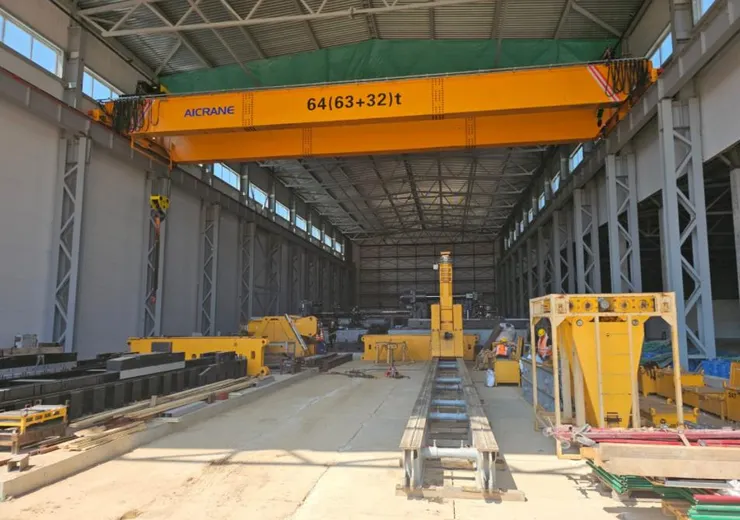
1. Overview of Single Girder and Double Girder Cranes
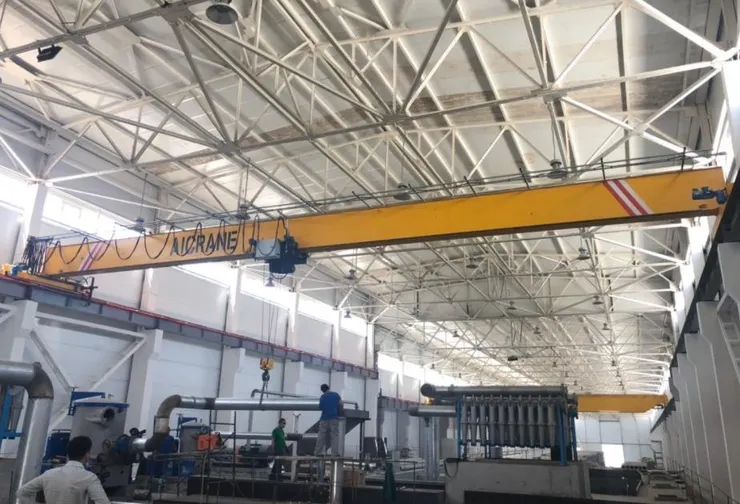
Single girder overhead cranes feature one bridge beam with a hoist running along the bottom flange of the girder. They are typically used for lighter to moderate lifting capacities, usually up to 20 tons, and are ideal for smaller workshops or warehouses with limited headroom.
Double girder overhead cranes, on the other hand, consist of two parallel bridge girders with the hoist traveling on top of the girders via a trolley. They are suited for heavy-duty lifting operations, often with capacities ranging from 10 tons up to several hundred tons, and are commonly found in large industrial facilities, steel plants, or manufacturing workshops.
While the lifting mechanism and basic operation principles are similar, the installation requirements vary because of the different mechanical structures and load-bearing characteristics.
2. Structural Support and Building Design Requirements
Single Girder Cranes
Single girder cranes are lighter in structure, which means they exert less load on the runway beams and building columns. As a result, they can often be installed in existing buildings without requiring major structural reinforcements.
- Runway beam design: Since a single girder system carries lower wheel loads, the runway beams can be smaller and simpler to fabricate.
- Column spacing: Standard column spacing typically ranges between 6 to 12 meters depending on the building layout and crane span.
- Building height: These cranes are suitable for facilities with low headroom, as the hoist is mounted below the girder, allowing efficient use of vertical space.
Double Girder Cranes
Double girder cranes, due to their higher lifting capacities and larger spans, place greater loads on the building structure. Therefore, they require stronger runway beams, reinforced columns, and a higher roof clearance.
- Runway beam and rail alignment: The runway girders must be precisely leveled and aligned to prevent uneven stress on the crane wheels.
- Support structures: Additional bracing or steel reinforcements may be needed, especially for heavy-duty cranes or long-span applications.
- Height clearance: The double girder design allows the hoist to operate between the girders, enabling higher lifting heights—but it also demands greater overall building height.
In summary, single girder cranes are simpler to integrate into light industrial buildings, while double girder systems often require purpose-built infrastructure or substantial building reinforcement.
3. Installation Complexity and Assembly Process
Single Girder Crane Installation
The installation of a single girder overhead crane is relatively straightforward:
- Runway installation: The runway beams and rails are mounted on brackets attached to building columns or freestanding supports.
- Bridge assembly: The single bridge girder is then lifted into position and connected to the end carriages.
- Hoist and electrical wiring: The hoist is attached beneath the girder, and power lines are installed along the runway for smooth operation.
This process requires fewer lifting operations and shorter installation time. The electrical system is also simpler, often consisting of a single power supply line and control cable.
Double Girder Crane Installation
Installing a double girder crane is more demanding due to its size and complexity:
- Runway alignment: Both runways must be perfectly parallel, with tight tolerances (usually within 1–2 mm). Any misalignment can cause wheel wear or derailment.
- Bridge assembly: Two girders must be connected with end carriages, cross beams, and walkways. Each component requires precise bolting and welding to maintain structural integrity.
- Hoist and trolley installation: The trolley is mounted on top of the girders, and additional components such as maintenance platforms, railings, and electrical festoons are installed.
- Electrical system setup: A double girder crane may have more complex wiring, including control cabinets, frequency converters, and safety systems.
As a result, installation time is longer, and the process often requires heavy lifting equipment, such as mobile cranes, and experienced installation teams to ensure accuracy and safety.
4. Space and Clearance Requirements
Space considerations are another critical factor influencing installation:
- Single girder cranes are compact and require less headroom. They are often mounted directly on the building columns or even suspended from the roof structure. This makes them ideal for facilities where maximizing vertical space is important.
- Double girder cranes require more overhead space due to the presence of two girders and additional components like walkways, control cabins, and cable reels. However, they provide higher hook height, meaning the load can be lifted closer to the roof—an advantage for tall facilities or applications involving large machinery.
When planning installation, engineers must carefully evaluate both horizontal and vertical clearances to ensure the crane can move safely across the entire working area without interference from walls, ducts, or lighting fixtures.
5. Power Supply and Control Systems
Power supply systems also differ between single and double girder cranes:
- Single girder cranes typically use a festoon cable system or C-rail track to provide power to the hoist and trolley. The control mode can be via pendant control or wireless remote, both of which are easy to install and maintain.
- Double girder cranes may include conductor bars or cable reels for supplying power across longer spans. They often have separate control panels, variable frequency drives (VFDs), and multiple speed settings to ensure smooth operation of heavier loads.
Installation of these systems must ensure proper grounding, cable routing, and safety interlocks to comply with industrial safety standards such as ISO, FEM, or CMAA.
6. Testing and Commissioning Requirements
Once installation is complete, both crane types require rigorous testing and commissioning before entering service.
- For single girder cranes, basic testing includes checking hoist operation, travel alignment, limit switch functionality, and load testing at 125% of rated capacity.
- For double girder cranes, more comprehensive testing is required, including synchronized trolley travel, overload protection, end-stop function, and emergency braking system verification.
Additionally, alignment inspections are crucial to ensure smooth wheel contact and minimal rail deviation, particularly for double girder cranes.
7. Maintenance Accessibility and Long-Term Considerations
Installation planning should also account for future maintenance access:
- Single girder cranes usually have limited maintenance walkways, meaning hoist servicing may require portable platforms or scaffolding.
- Double girder cranes, by contrast, often include permanent walkways on the bridge, allowing easier inspection and component replacement.
This difference affects not only installation design but also long-term operational costs and safety planning.
8. Cost and Time Implications
Because of their simpler structure and lower weight, single girder cranes are generally faster and cheaper to install. They involve fewer components, less foundation work, and minimal alignment effort.
Double girder cranes, although more expensive and time-consuming to install, provide superior lifting height, higher capacity, and longer service life—advantages that often justify the higher upfront cost in heavy industrial settings.
Conclusion
Understanding the installation requirements for single girder vs double girder overhead cranes is key to selecting the right system for your facility.
- Single girder cranes are best suited for lighter applications where cost, simplicity, and compact design are priorities.
- Double girder cranes are the right choice for demanding lifting tasks requiring higher capacity, precision alignment, and extended coverage.
Proper planning of structural supports, alignment, power systems, and testing procedures ensures a safe, efficient, and reliable installation - laying the foundation for years of productive crane operation.