Constructing durable and safe roads in Jakarta requires efficient, reliable, and high-capacity asphalt production. For government road projects, the right asphalt batch plant can make a significant difference in project quality, cost, and timeline. In this article, we explore what makes a 120 TPH asphalt batch plant ideal for such projects and how contractors can maximize their investment.
Understanding Jakarta’s Road Construction Needs
Jakarta, as Indonesia’s capital, has a rapidly growing road network. Government roads here must withstand heavy traffic, monsoon rains, and tropical heat. Therefore, road projects require consistent asphalt quality and timely delivery. Choosing an asphalt batch plant is not only about capacity but also about reliability, adaptability, and environmental compliance.Government projects often have strict specifications for asphalt quality, including temperature stability, aggregate distribution, and bitumen content. Hence, selecting an asphalt mixing equipment that guarantees precise mixing is essential. This ensures roads last longer and maintenance costs remain low.
Key Challenges in Jakarta Road Projects
- High traffic load requiring strong pavement structures.
- Frequent rainfall impacting road construction schedules.
- Strict government standards for asphalt consistency and quality.
- Urban construction sites with limited space.
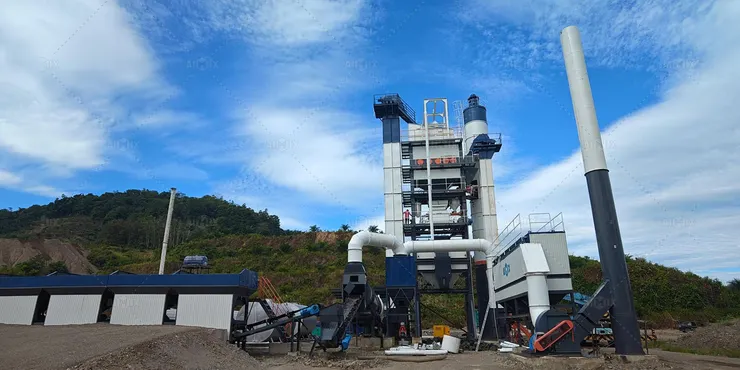
Considering these challenges, a 120 TPH asphalt batch plant can provide the right balance between production speed and quality control.
Why 120 TPH Capacity Works Best For Government Roads
Capacity is crucial when planning road projects. A 120 tons per hour (TPH) asphalt batch plant produces enough material to meet medium to large government projects without unnecessary idle time. Compared to smaller plants, it reduces delivery trips, saving both fuel and labor costs. Conversely, larger plants may be excessive for typical city road projects, increasing operational costs.
With 120 TPH, contractors can ensure smooth project flow, maintain fresh asphalt, and reduce storage issues. Timely delivery also prevents traffic disruption in urban areas, which is a major concern in Jakarta.
Balancing Production Speed And Quality
The 120 TPH capacity allows precise batch mixing. Unlike continuous drum plants, batch plants produce asphalt in measured quantities, ensuring uniform composition. Each batch can be tested for density, temperature, and aggregate distribution before delivery. This level of control meets government quality requirements and prevents defects like potholes or premature road wear.
Essential Features Of An Ideal 120 TPH Asphalt Batch Plant
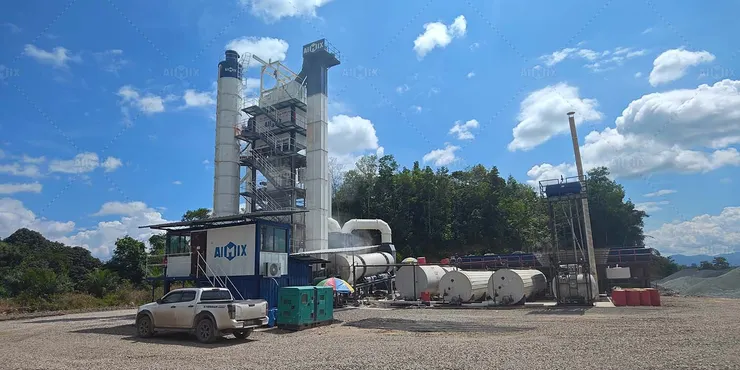
Choosing the right plant requires attention to features that impact efficiency, quality, and environmental compliance. Here are the key aspects:
1. High-Precision Mixing System
The mixing system must combine aggregates, bitumen, and filler uniformly. Accurate control ensures every batch meets government specifications. This prevents weak spots and enhances road durability.
2. Efficient Heating And Drying Units
Drying units with high thermal efficiency reduce fuel consumption. In Jakarta’s humid climate, quick drying ensures asphalt maintains the correct temperature for mixing. This allows continuous production even during peak rainy seasons.
3. User-Friendly Control System
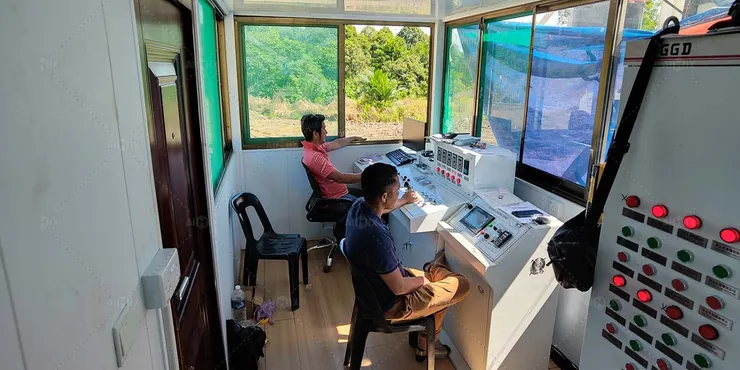
Modern batch plants come with automated control panels that allow operators to monitor temperature, bitumen flow, and aggregate proportions in real time. This reduces human errors and ensures consistent quality, which is critical for government inspections.
4. Environmental Compliance
Dust collectors, bag filters, and emission controls are essential in urban projects. Jakarta enforces strict environmental regulations. Plants with advanced dust suppression not only comply with laws but also create a safer working environment for operators.
Advantages Of Using A 120 TPH Batch Plant For Government Roads
Investing in the right amp aspal mixing plant brings tangible benefits for contractors and project owners alike. Let’s look at the key advantages:
1. Reduced Operational Costs
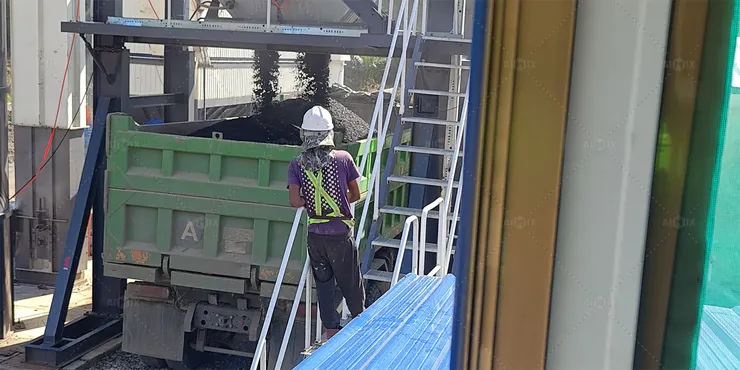
By producing asphalt close to the construction site, transportation costs decrease. Efficient batching reduces fuel consumption and labor expenses.
2. Improved Asphalt Quality
Batch plants ensure precise mixing, which leads to stronger, more durable roads. Uniform asphalt reduces maintenance needs and extends road lifespan.
3. Faster Project Completion
With a capacity of 120 TPH, contractors can produce sufficient asphalt to keep up with construction schedules. Faster production prevents delays, which is especially important for government-funded projects with strict deadlines.
4. Flexibility In Material Use
Batch plants allow operators to adjust aggregate ratios and bitumen content for different pavement layers. This flexibility ensures roads meet specific design requirements.
Practical Considerations For Contractors
Contractors must also consider site space, logistics, and maintenance when selecting a batch plant. While a 120 TPH plant is not the largest, it still requires adequate installation space. Urban projects in Jakarta often have tight locations, so modular or compact plant designs are advantageous.
Additionally, training operators and scheduling regular maintenance ensures the plant runs efficiently throughout the project. AIMIX, for example, provides on-site training and after-sales support to help contractors maximize productivity.
Conclusion: Making The Right Choice
For government road projects in Jakarta, a 120 TPH asphalt batch plant strikes the perfect balance between capacity, quality, and cost-efficiency. Its precise mixing, efficient drying, and environmental compliance ensure roads meet high standards while reducing operational risks. Contractors gain faster project completion, consistent asphalt quality, and lower maintenance costs.
When planning your next government road project, choose a 120 TPH asphalt batch plant designed for Jakarta’s urban conditions. By doing so, you ensure your investment delivers lasting, high-quality roads that benefit the community and satisfy government requirements.
Call To Action
If you want to explore the best 120 TPH asphalt batch plant for your Jakarta projects, contact AIMIX today. Our experts can help you choose the right plant, provide installation guidance, and ensure your road projects succeed from start to finish. Don’t compromise on quality—make your government road projects efficient, durable, and cost-effective with the ideal asphalt batch plant.