Overhead cranes are essential tools in industrial and manufacturing operations, providing efficient lifting, transportation, and placement of heavy loads. Whether in steel mills, warehouses, or precast concrete plants, these cranes enable safe and precise handling of materials. However, one of the most critical factors influencing the performance, safety, and reliability of an overhead crane is duty classification. Duty classification determines not only the crane’s design parameters but also its lifting capability, operational limits, and maintenance requirements. Understanding this classification is fundamental for engineers, operators, and plant managers to ensure safe and efficient crane operation.
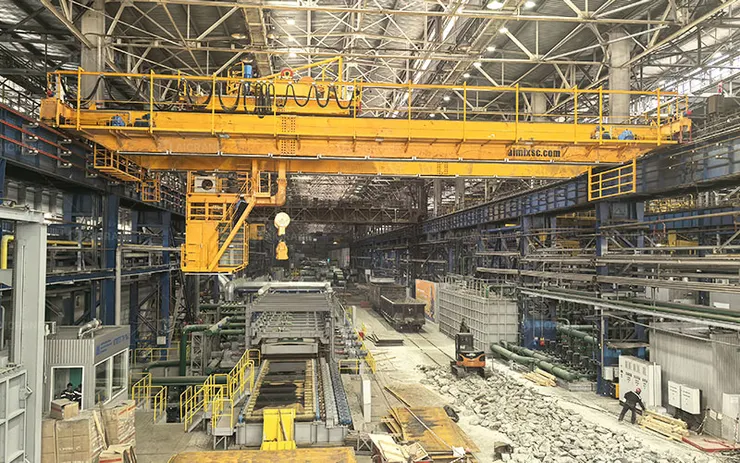
Understanding Duty Classification
Duty classification is a standardized system that categorizes overhead bridge cranes based on the intensity and frequency of their use, the type of load handling, and operational conditions. The classification system most widely recognized internationally is outlined by organizations such as the Crane Manufacturers Association of America (CMAA) and the European FEM standards. These classifications provide engineers with a framework for designing cranes that meet specific performance requirements and safety standards.
In essence, duty classification answers three critical questions:
- How often the crane will operate: This includes the number of lifting cycles per hour or per day.
- The type of load the crane will handle: Whether the load is uniform and predictable or irregular and variable.
- The working environment: Including temperature, humidity, and potential exposure to hazards like dust, chemicals, or vibration.
By categorizing cranes according to these factors, manufacturers can determine the appropriate components, such as motors, hoists, gears, brakes, and structural members, to safely support the crane’s rated lifting capacity.
The CMAA Duty Classification System
The CMAA duty classification system is one of the most widely used standards in the United States and globally. It defines nine duty classes, labeled Class A through Class F (sometimes extended to Class H), each corresponding to a range of operating conditions:
- Class A – Light Service: Designed for occasional use with low loads, such as simple assembly or maintenance tasks.
- Class B – Moderate Service: Handles slightly heavier loads more frequently, suitable for light manufacturing operations.
- Class C – Heavy Service: For continuous operation with medium loads in general manufacturing or processing plants.
- Class D – Severe Service: High-frequency operation with heavy loads, often in steel fabrication or high-production environments.
- Class E to F – Extra Heavy Service: Designed for extremely demanding operations, such as continuous lifting of very heavy components in steel mills or power plants.
Each duty class corresponds to specific mechanical design requirements, including the size and strength of structural members, the type and rating of the hoist, motor specifications, and safety margins. Importantly, the lifting capability of a crane is directly influenced by its duty classification. A crane designed for Class C operation cannot safely perform Class D tasks without risking mechanical failure or reduced operational life.
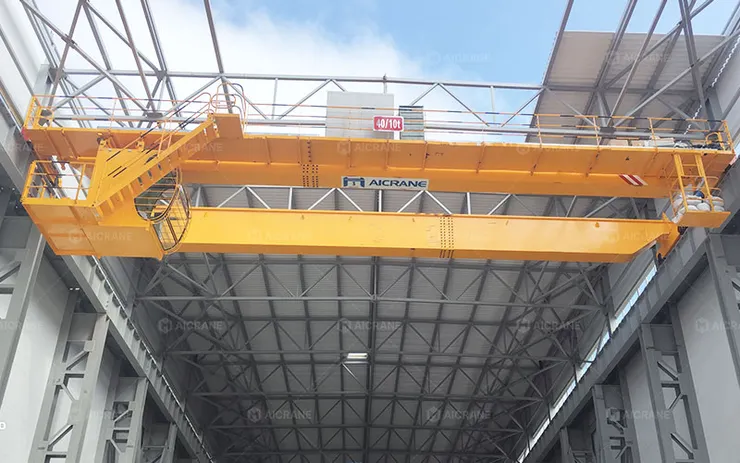
Duty Classification and Lifting Capacity
While lifting capacity is commonly expressed in tons or kilograms, the actual safe load a crane can handle is more complex. It depends not only on the static weight of the load but also on operational factors such as:
- Frequency of lifts: Frequent lifting generates fatigue in structural components and reduces safe load over time.
- Load type: Uniform loads are easier to handle than irregular or off-center loads, which can introduce dynamic stresses.
- Acceleration and deceleration forces: Rapid starts and stops increase dynamic load, which must be accounted for in rated capacity.
Duty classification accounts for these factors by specifying service factors, which are multipliers applied to the load to determine the necessary design strength. For example, a Class D crane operating in a steel plant may have a service factor of 1.25–1.5, meaning it is designed to handle 25%–50% more than its rated capacity in dynamic scenarios to ensure safety.
Key Components Influenced by Duty Classification
Several critical components of an overhead crane are directly affected by its duty classification, ultimately determining its lifting capability:
1. Hoist and Trolley Systems
Hoists are the primary lifting devices, and their size, motor power, and gear ratios are selected according to duty class. Higher duty classifications require hoists capable of frequent starts and stops, handling dynamic loads, and maintaining precise control. The trolley system, which moves the hoist along the bridge, must also accommodate these stresses without excessive deflection or wear.
2. Bridge Structure
The bridge girders must support the rated load while withstanding bending, torsion, and vibration. Duty classification dictates girder size, material grade, and reinforcement methods. For heavy duty overhead cranes, designers may use thicker flanges, stronger steel grades, or double girder construction to maintain stability and capacity.
3. Motors and Drive Systems
Motors must provide adequate torque for lifting, lowering, and traversing under varying load conditions. Duty classification determines the size, type, and duty cycle of motors, as well as the need for variable frequency drives or regenerative braking to maintain safe operation under heavy or frequent use.
4. Safety Systems
Overhead cranes for high-duty applications often require enhanced safety features, such as overload protection, anti-sway mechanisms, limit switches, and emergency braking systems. These systems ensure that lifting capacity is not exceeded and that the crane can operate safely even under demanding conditions.
Selecting the Right Duty Classification
Choosing the correct duty classification for an overhead crane is a critical step in project planning. Undersized cranes may fail prematurely, pose safety risks, or require frequent maintenance, while over-engineered cranes can increase costs unnecessarily.
Considerations include:
- Production Requirements: How many lifts per hour or day are expected?
- Load Characteristics: Are loads uniform, irregular, or potentially off-center?
- Environmental Conditions: Will the crane operate in extreme temperatures, corrosive atmospheres, or high dust levels?
- Future Growth: Anticipate increases in lifting frequency or load size to avoid early obsolescence.
Consulting with a qualified crane manufacturer or engineer ensures that duty classification aligns with operational needs and maximizes both safety and efficiency.
Conclusion
Duty classification is more than just a technical label; it is the foundation that determines an overhead crane’s lifting capability, operational reliability, and lifespan. By accurately defining the duty class, engineers can design cranes that withstand operational stresses, protect operators and assets, and maintain efficiency across demanding industrial environments.
Understanding how duty classification impacts hoist design, bridge construction, motor selection, and safety systems is essential for plant managers, engineers, and operators. Properly classified cranes ensure safe lifting, minimize downtime, and optimize performance, making duty classification a critical consideration in any overhead crane project.
In today’s industrial landscape, where productivity and safety are paramount, duty classification is the key to matching overhead crane capability with operational demands, ensuring that every lift is performed safely, efficiently, and reliably.