
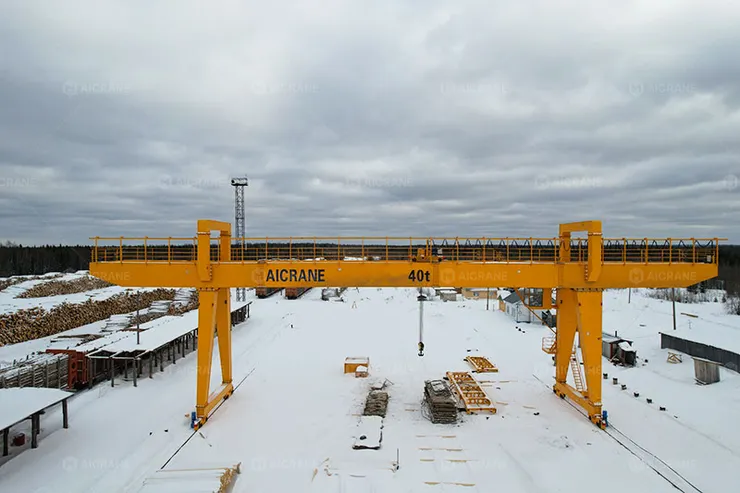
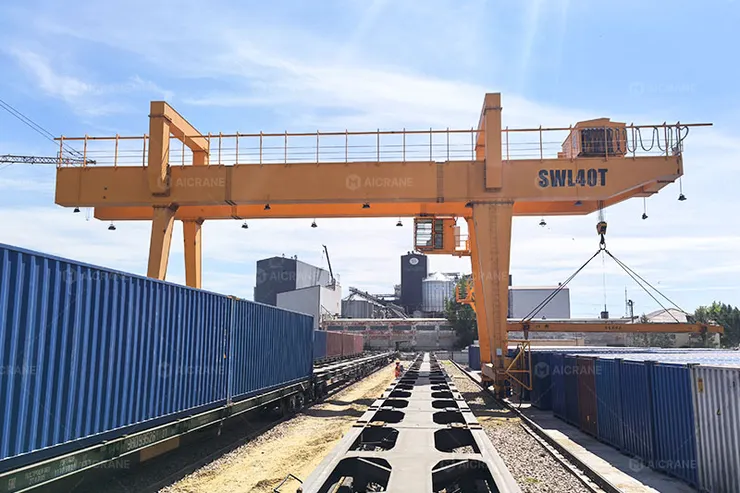
Gantry cranes are indispensable in modern industrial operations, enabling the lifting and movement of heavy loads with precision and efficiency. Among these, 40-ton gantry cranes are widely used in manufacturing plants, steel factories, ports, and construction sites, handling medium to heavy loads that require careful management. While these cranes are robust, they are not immune to operational risks. One of the most critical safety concerns is crane overload, which can lead to catastrophic consequences, including structural damage, equipment failure, and even fatalities. To mitigate these risks, load indicators have become an essential component in ensuring safe crane operations.
Understanding Crane Overload and Its Risks
Overloading occurs when a crane lifts a load that exceeds its designed capacity. For a 40 ton gantry crane, exceeding this limit can impose stresses on critical structural components such as the bridge girder, trolley, hoist, and end trucks. These stresses can lead to several issues:
- Structural Deformation – Continuous overloading can bend or warp the crane’s main girder or trolley, reducing its operational lifespan.
- Mechanical Failure – Overloading can damage hoist mechanisms, wire ropes, and gears, causing sudden failure during operation.
- Safety Hazards – Operators and personnel in the crane’s vicinity are at risk of severe injury or death if the crane collapses or the load drops unexpectedly.
- Operational Downtime – A damaged crane results in costly downtime, repair expenses, and potential project delays.
Given these risks, it is evident that accurately monitoring the load is critical to preventing overload and ensuring operational safety.
What Are Load Indicators?
Load indicators, sometimes referred to as load moment indicators or crane load monitoring systems, are devices installed on cranes to measure and display the real-time weight of the load being lifted. They provide both visual and sometimes audible alerts to crane operators when the load approaches or exceeds the crane’s rated capacity.
A typical load indicator system includes the following components:
- Load Sensors: Installed on the hoist or supporting structure to measure the applied load.
- Display Unit: Shows the current load in tons or kilograms for the operator.
- Alarm System: Alerts the operator if the load exceeds safe limits.
- Data Logging (Optional): Records lifting activities for maintenance and compliance purposes.
By continuously monitoring load weight, these systems allow operators to make informed decisions and prevent dangerous lifting conditions.
How Load Indicators Prevent Overload
Real-Time Load Awareness
The primary function of a load indicator is to provide real-time feedback on the load being lifted. Operators can see exactly how much weight the crane is carrying at any given moment. This immediate feedback is crucial for preventing overloading, especially when lifting bulky or irregularly shaped loads where estimating weight visually can be unreliable.
Early Warning Alerts
Modern load indicators are equipped with alarm functions. When the load reaches a predetermined threshold, the system triggers visual and audible warnings, prompting the operator to stop lifting or reduce the load. This feature acts as a safety net, preventing accidental overload due to operator error or misjudgment.
Enhancing Operational Efficiency
Load indicators do more than prevent overload; they also help optimize crane operations. Operators can lift loads close to the crane’s rated capacity with confidence, knowing that the system will alert them before exceeding safe limits. This balance between maximizing crane capacity and maintaining safety improves overall productivity without compromising structural integrity.
Compliance with Safety Standards
Many industrial and safety regulations mandate the use of load monitoring devices on cranes. For instance, in regions governed by ISO 9927-1 and CMAA 70 standards, implementing load indicators on gantry cranes is strongly recommended or required. Using load indicators ensures that companies meet these safety standards, reducing legal liabilities and promoting a culture of workplace safety.
Protecting Crane Components
Overloading not only risks immediate accidents but also accelerates wear and tear on the crane. Excessive load can compromise wire ropes, brakes, motors, and structural members. Load indicators protect these components by ensuring that the crane operates within its design limits, extending its service life and reducing maintenance costs.
Types of Load Indicators for 40-Ton Gantry Cranes
Load indicators can vary in complexity and functionality. For a 40-ton gantry crane, the following types are commonly used:
- Mechanical Load Indicators: Early models that use springs and mechanical linkages to measure load. While robust, they are less precise than modern electronic systems.
- Electronic Load Indicators (ELI): Utilize strain gauges or load cells to measure the force on the crane. These systems offer high accuracy, digital displays, and integration with alarms.
- Load Moment Indicators (LMI): Common in mobile and heavy duty gantry cranes, LMIs measure both the load and its position relative to the crane’s lifting radius, ensuring stability and preventing tipping.
- Integrated PLC-Based Systems: Advanced gantry cranes may have load monitoring integrated into programmable logic controllers (PLC), allowing for data logging, remote monitoring, and integration with other safety systems.
Each type of indicator can be tailored to the operational environment, load type, and safety requirements of the facility.
Best Practices for Using Load Indicators
To maximize the effectiveness of load indicators in preventing crane overload, operators and maintenance teams should adhere to best practices:
- Regular Calibration – Load sensors and indicators must be calibrated periodically to maintain accuracy.
- Routine Inspections – Check wiring, display units, and alarms for proper functioning.
- Operator Training – Ensure operators understand how to read the load indicator, respond to alarms, and recognize unsafe lifting conditions.
- Avoid Manual Override – Some systems allow manual override, which can defeat the purpose of the indicator. Policies should restrict unauthorized bypassing.
- Data Monitoring – For electronic systems, use logged data to analyze lifting patterns, detect recurring overload attempts, and plan preventive maintenance.
Conclusion
In the operation of a 40-ton gantry crane, preventing overload is not just about adhering to manufacturer specifications; it is about ensuring the safety of personnel, protecting equipment, and maintaining operational efficiency. Load indicators play a pivotal role in this process by providing real-time load information, early warnings, and compliance with safety regulations.
By integrating load indicators into crane operations, companies can achieve a safer work environment while also maximizing the productivity of their gantry cranes. Modern electronic systems, combined with proper operator training and maintenance practices, create a comprehensive safety net that minimizes the risk of overload. For any facility relying on 40-ton gantry cranes, investing in a high-quality load indicator system is not merely a recommendation—it is a necessity that safeguards human life, preserves expensive equipment, and ensures smooth, uninterrupted operations.
In summary, load indicators are more than just monitoring devices—they are an essential line of defense in crane safety management. Their ability to prevent overload and extend crane lifespan makes them indispensable in today’s industrial landscape, where safety and efficiency go hand in hand. Operators, engineers, and managers alike must prioritize load monitoring systems to uphold the highest standards of operational safety and performance.


