In the highly competitive metal fabrication industry, efficiency, safety, and precision are crucial to maintaining profitability and meeting customer demands. Lean manufacturing, a methodology aimed at minimizing waste while maximizing productivity, has become a standard practice for forward-thinking metal fabrication shops. One of the most critical tools supporting lean principles in this environment is the overhead crane. By enabling streamlined material handling, reducing cycle times, and improving workplace safety, overhead cranes play an indispensable role in helping metal fabrication facilities implement lean manufacturing effectively.
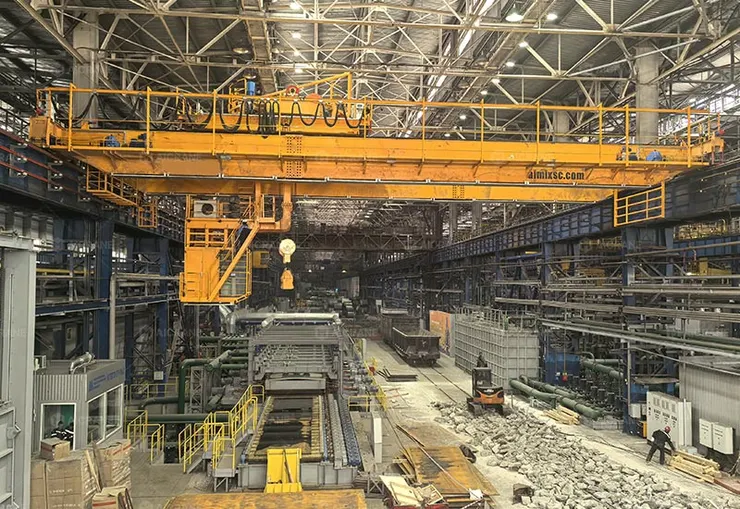
Understanding Lean Manufacturing in Metal Fabrication
Lean manufacturing is built on the principle of reducing all forms of waste in the production process, including excess inventory, overproduction, unnecessary motion, waiting times, defects, and inefficient handling of materials. In a metal fabrication context, lean practices focus on optimizing workflows, improving equipment utilization, and ensuring that each step in the production process adds value to the final product. Given the heavy, bulky, and often hazardous nature of metal sheets, plates, and assemblies, material handling is a critical area where waste can accumulate.
Traditional handling methods, such as forklifts or manual labor, can introduce inefficiencies like delays, damaged materials, and inconsistent flow of work-in-progress items. Overhead cranes for sale, including single girder, double girder, and gantry crane systems, provide a solution by enabling precise, safe, and rapid movement of heavy components throughout the facility. This capability aligns perfectly with lean objectives, as it reduces non-value-added activity and supports a smooth production flow.
Streamlining Material Handling and Workflow
A central tenet of lean manufacturing is the continuous and uninterrupted flow of materials through the production process. Overhead cranes facilitate this by providing a dedicated pathway for moving raw materials, semi-finished products, and finished assemblies directly to the workstations that need them.
In metal fabrication, the handling of steel plates, structural beams, or large assemblies often requires careful positioning to prevent damage or misalignment. Overhead cranes allow operators to lift and transport heavy loads precisely along predetermined paths, reducing the need for intermediate handling steps. This not only accelerates production but also minimizes the potential for bottlenecks, a key principle in lean thinking.
Moreover, overhead cranes can support just-in-time (JIT) delivery of materials to workstations, ensuring that the right components arrive exactly when needed. This reduces inventory storage requirements and the associated costs while maintaining a consistent flow in the production line. By integrating overhead cranes with JIT scheduling, metal fabrication facilities can achieve significant efficiency gains.
Enhancing Worker Safety and Ergonomics
Lean manufacturing emphasizes creating a safe and efficient working environment. In metal fabrication, manually moving heavy metal components is not only inefficient but also hazardous. Workplace injuries can result in downtime, higher insurance costs, and reduced productivity—factors that contradict lean principles.
Overhead cranes mitigate these risks by handling heavy loads with minimal manual intervention. Operators can maneuver materials using remote controls or pendant systems, reducing the need for physically strenuous tasks such as lifting, pushing, or dragging components. The result is an ergonomic working environment where employees can focus on high-value activities like precision assembly, welding, or inspection rather than manual material handling.
Additionally, modern overhead cranes often include safety features such as overload protection, anti-sway systems, and limit switches. These technologies prevent accidents, protect both workers and materials, and maintain a predictable and stable production flow, all of which are crucial for lean operations.
Reducing Cycle Times and Increasing Productivity
In lean manufacturing, minimizing cycle time - the total time to complete a production process - is vital. Every minute spent moving materials manually, waiting for components, or correcting handling errors contributes to waste. Overhead cranes improve cycle times by enabling rapid and accurate transportation of large and heavy components across work areas.
For example, in a metal fabrication facility producing structural steel components, overhead cranes can lift steel beams directly from storage areas to cutting or welding stations. By eliminating intermediate handling and reducing the time spent aligning and repositioning materials, cranes help maintain a continuous workflow. This accelerated process reduces lead times, allowing facilities to complete orders faster and respond to customer demands more effectively.
In facilities where multiple fabrication stages occur simultaneously—cutting, welding, drilling, and assembly—overhead cranes enable synchronized material movement. Coordinating the crane’s operation with production schedules ensures that materials arrive at the right workstation at the right time, preventing idle time and maximizing machine utilization, a key lean objective.
Optimizing Space Utilization
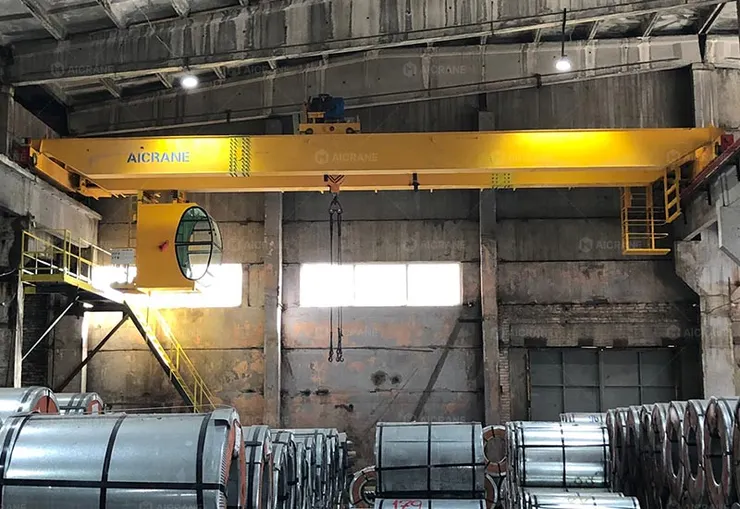
Space is a valuable commodity in metal fabrication plants. Lean manufacturing encourages efficient use of space to minimize waste and support smooth production flow. Overhead cranes contribute significantly to this goal.
Unlike forklifts or other ground-based material handling equipment, overhead cranes operate above the production floor. This vertical utilization of space frees up valuable floor area for workstations, equipment, and assembly operations. By lifting materials overhead rather than moving them along aisles, cranes reduce congestion and allow multiple processes to occur simultaneously within the same footprint.
Optimizing space through factory overhead crane implementation supports lean practices by enabling a more organized, clutter-free, and flexible production environment. It also reduces the risk of collisions or damage caused by moving vehicles, contributing to both safety and efficiency.
Supporting Flexibility and Customization
Lean manufacturing encourages adaptability and responsiveness to customer needs, including custom or small-batch production. Metal fabrication facilities often face varying orders in terms of size, weight, and quantity, making flexible material handling essential.
Overhead cranes provide this flexibility. Adjustable lifting heights, long spans, and modular bridge designs allow cranes to handle a wide range of components efficiently. Additionally, crane hoists and trolleys can be customized with attachments such as magnet lifters, vacuum lifters, or spreader bars to accommodate irregularly shaped or fragile materials.
This adaptability ensures that even when production requirements change, material handling remains efficient and safe, supporting lean principles by maintaining consistent flow and minimizing downtime.
Integration with Automation and Digital Systems
Modern lean metal fabrication shops increasingly rely on automation and digital monitoring to optimize production. Overhead cranes can integrate with these systems to further enhance efficiency.
Automated or semi-automated cranes can be programmed to transport materials along specific routes at precise times, reducing human error and standardizing workflows. Integration with manufacturing execution systems (MES) or enterprise resource planning (ERP) software allows cranes to operate in synchronization with production schedules, ensuring that materials are available just when needed.
This data-driven approach supports lean manufacturing by improving traceability, reducing overproduction, and minimizing waiting times. Predictive maintenance systems built into cranes can also prevent unexpected breakdowns, ensuring consistent operation and eliminating downtime that disrupts lean workflows.
Environmental and Cost Benefits
Implementing overhead cranes in a lean metal fabrication facility can also lead to environmental and cost benefits. By reducing the need for forklifts and other fuel-powered vehicles, overhead cranes lower energy consumption and decrease emissions. Minimizing material handling errors reduces scrap and rework, lowering material waste.
In terms of costs, while the initial investment in an overhead crane may be significant, the long-term savings through improved productivity, reduced labor requirements, and lower material damage often justify the expense. Lean manufacturing is ultimately about creating value with minimal waste, and overhead cranes are a strategic tool in achieving that balance.
Conclusion
Overhead cranes are far more than simple lifting devices—they are essential enablers of lean manufacturing in metal fabrication. By streamlining material handling, reducing cycle times, improving safety, optimizing space, and supporting flexible production, overhead cranes directly contribute to the efficiency, reliability, and profitability of metal fabrication operations.
Incorporating overhead cranes into lean manufacturing workflows ensures that materials move smoothly from one stage of production to the next, minimizing waste and maximizing value. For metal fabricators striving to compete in a demanding market, investing in overhead crane systems is not just a matter of lifting capacity—it is a strategic decision that strengthens lean practices and supports sustainable growth.