採訪、整理、翻譯:趙正媛
編輯:謝佳錦
Q:作為蒙特婁國際紀錄片影展(RIDM)的藝術總監,開始策劃這檔與TIDF的交換單元時,最先想到的單字為何?
瑪琳.艾多揚(以下簡稱艾多揚):合作。從一開始就感覺是一段意義非凡的合作關係,影展雙方都渴望去建立觀眾、影人和理念之間的連結。本次交換單元旨在跨越不同地域,開啟觀看、體驗和理解電影的新途徑。
Q:如何發展出現在的單元名稱「共棲的風景—當代加拿大紀錄片選」?
艾多揚:單元名稱是在策展過程中自然而然產生的,這樣的命名不只關乎電影描繪的內容,也考量到入選作品何以共存,作品之間如何相互共鳴的方式。
提出「風景」的概念,最初是為了避免侷限於單一主題,以廣納多種不同的電影。選片過程中,「風景」也反映作品鮮明的地域性和自然元素。即使觀點、形式、地理位置各異,這些電影卻透過對場所、記憶、土地與生命經驗的共同關注而連結起來,如同構成一組星叢。風景不只是作為視覺或美學元素,在片中納入風景、喚起對風景的感知,更是一種與身處環境和土地的互動方式。將這個單元視為風景的想法,也讓我們得以包容入選作品的多樣性,而不必簡化成單一概念。
在思考作品及影展願景時,「living」一詞變得至關重要。這些作品刻畫的不是固定不變的現實,而是透過電影形式不斷重新詮釋、演化、生生不息的事物。在整個單元中,相較於作為被動的背景,風景扮演主動參與的角色,也是生命棲息、爭議的所在,由不同歷史、身體,和各種生態、政治及私人關係形塑而成。
同時,RIDM將紀錄片本身,視為以新的美學語言和多元視角,不斷擴展、實驗和轉變的生活實踐。因此,這個單元名稱也呼應了影展的使命,也就是支持那些突破界限、強化少數群體的聲音,且以新的感知形式想像現實的作品。從這個角度來說,「共棲的風景」不只是銀幕上所見,更指出為加拿大紀錄片注入活力的影視工作者、創意實踐與合作交流的電影生態。
這個單元名稱將這些不同層面統合起來:在這些電影裡,世界作為一個充滿生機且不斷變化的事物,在種種動態、相遇及對話之間,紀錄片也成為一個不斷發展、變化的場域。
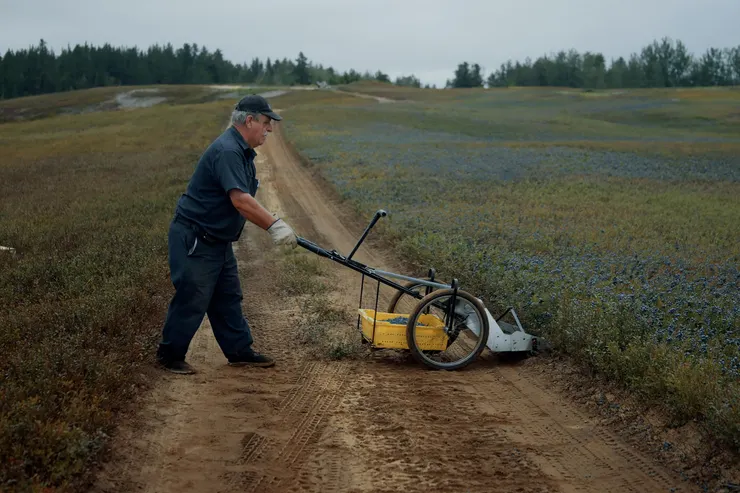
(圖/《莓好時光》電影劇照;台灣國際紀錄片影展提供)
Q:策展過程中,你如何認識台灣觀眾?觀眾能從這個單元學習到什麼?
艾多揚:身為TIDF的長期仰慕者,我們非常熟悉TIDF的節目單元與選片風格。這次交流始於2025年的蒙特婁,我們有幸與交換單元負責人,以及前來RIDM放映作品的台灣影人會面。經過多次討論,也愈來愈瞭解哪些類型的電影,能夠引起台灣觀眾的共鳴。最終的選片是以合作方式進行,我們推薦了各式各樣的作品,再由TIDF的團隊協助我們篩選出最終入選名單,整個過程真的是一起完成的,也非常具有啟發性。
我希望台灣觀眾能夠發現加拿大電影,生動、充滿好奇心與大膽創新的一面,這些作品聆聽土地的聲音,追溯記憶、探究身份認同,同時直面那些持續形塑當下的歷史。這個單元將展現加拿大影人延展紀錄片的可能性,融合詩歌、觀察與實驗影像,創造出一個個重新想像社群、文化與歸屬的世界,邀請觀眾以全新的視角看待熟悉與陌生的事物。
Q:這個單元涵蓋多個具有移民或多元文化背景的導演與敘事,你是如何決定用這樣的方式,來呈現當代加拿大紀錄片?
艾多揚:納入近期移住或多元背景的影人,並非只是策展上的考量,也回應了當代加拿大紀錄片的現況,尤其是在魁北克,這裡已然形成充滿活力、多元化的電影生態。本單元的作品正是在這種脈絡下產生,形形色色的視角、經驗與文化觀點,成為當今電影產業的核心元素。
這樣的進展反映的是過去十年間,電影出資機構、文化體制、製片與影人,致力創造更公正和具有代表性的空間,而堅持不懈的共同成果。這樣的成就得來不易,卻促成現在充滿韌性且生機盎然的電影版圖,如今,這個版圖仍在不斷發展與重新定義自身面貌。
在整個加拿大的藝文脈絡下,作為藝術創作與交流重鎮的魁北克,扮演了關鍵角色。不同背景的影人,不僅反映社會本身的多元性,也體現在故事講述方式的轉變,以及,更重要的是:誰有權講述故事?這些觀點帶來了新的觀看方式,重塑對於身分認同、歸屬、記憶和再現等問題的思考。
這個單元擁抱這種多樣性,證實加拿大紀錄片並非只有單一觀點,而是由多種不同經驗及電影手法交織成,豐富且不斷演化的圖像。在這個持續發展的場域中,多元敘事絕非位處邊緣,反而積極地重新定義中心的面貌。

(圖/《她鄉迴旋曲》電影劇照;台灣國際紀錄片影展提供)
Q:RIDM很重視紀錄片的創新與實驗精神,這種實驗傾向也反映在交換單元上。可否和我們分享你對RIDM與蒙特婁實驗電影文化之間關係的觀察?
艾多揚:就本單元的作品而言,蒙特婁的前衛藝術場景,發揮了最重要的影響力。不僅限於電影領域,而是一種更廣大的跨域文化情境,使得實驗性、混雜性與藝術性的探索,深植於這個城市的身份認同之中。魁北克在紀錄片影史上,也佔有舉足輕重的地位,尤其是1950年代末至1960年代,由於加拿大國家電影局等機構的存在,而成為直接電影的發源地之一。這個傳統至今仍影響著當代的電影實踐,因此,電影對現實的關注,實則與形式創新密不可分。
RIDM置身於這樣的歷史中,並持續與之對話。RIDM自創立之初,便以推崇創新影像形式的空間作為自身定位,在這裡,紀錄片不止於單純的再現,而是一種不斷發展的藝術形式。我們的策展方式,更看重在形式及敘事上勇於實驗,並拓展紀錄片可能性的作品。
在蒙特婁格外顯著的是,電影與其他藝術之間的緊密聯繫。影人經常在電影、視覺藝術、表演和聲音領域之間遊走,我們也盡可能在影展中體現這種跨界融合的特質。RIDM不只是一個放映平台,更是一個藝術家聚集、實驗與展示作品的空間,這些作品超越傳統電影的範疇,包含裝置、表演或跨域計畫等多元形式。從這個意義上來說,影展就像某種藝術家社群的家園,在這裡的人都渴望突破界限,探索新的表現方式。
這也是我們將支持新興創作者,作為影展主要使命的原因。RIDM經常在影人的創作生涯中,扮演關鍵時刻的跳板,對於在傳統形式之外創作的影人而言,就更是如此。藉由我們的節目單元,和諸如RIDM論壇之類的活動,我們陪伴那些仍在發展階段的計畫,協助它們獲得能見度、找到合作夥伴與觀眾。
最重要的是,RIDM與蒙特婁的實驗電影文化之間,有著深度的共生關係。這個城市以其創造能量和開放性培育了RIDM影展,RIDM轉而協助維護和擴大這樣的生態體系,建立一個讓新銳、非線性、大膽創新的電影實踐,都得以存在和蓬勃發展的空間。
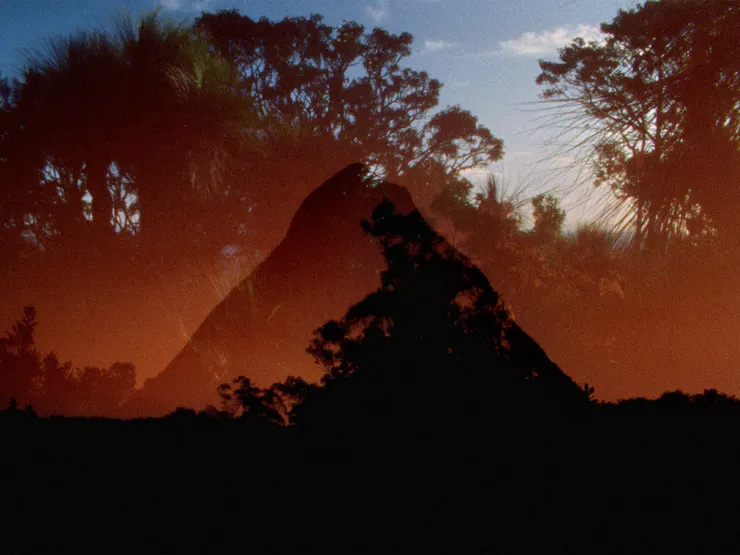
(圖/《地骨群島:致邦亞》電影劇照;台灣國際紀錄片影展提供)
Alive, Curious, and Daring Canadian Documentaries
An interview with Marlene Edoyan, Artistic Co-director of the Montreal International Documentary Festival (RIDM)
Interview, editing and translation by Chao Cheng-Yuan
Q:As Artistic Co-director of RIDM (Montreal International Documentary Festival), what was the first word that came to mind when you approached the exchange programme with TIDF?
Edoyan:Collaboration. From the very beginning, it felt like a meaningful partnership between the two festivals, built on a shared desire to connect audiences, filmmakers and ideas. The exchange programme is about opening doors to new ways of seeing, experiencing and understanding cinema across different territories.
Q:How was it developed into this title ‘the living landscape’?
Edoyan:The title ‘The Living Landscape of Contemporary Canadian Documentary Cinema’ emerged quite organically from the curatorial thinking behind the programme. It was a way to name not just what the films depict, but how they exist and resonate together.
The notion of a ‘landscape’ first emerged from a desire to avoid a single thematic frame and instead embrace plurality. In the selection process, ‘landscape’ also came to reflect the strong presence of territory and nature within the works themselves. The films form a constellation, diverse in voices, forms and geographies, yet they are connected through shared concerns with place, memory, territory and lived experience. They encompass and evoke landscape not only as a visual or aesthetic element, but as a way of engaging with the environments and territories they inhabit. Thinking of the programme as a landscape allowed us to hold this multiplicity without reducing it to one unifying idea.
The word ‘living’ became essential as we reflected on both the films themselves and RIDM’s broader vision. These works do not present reality as fixed or stable; they approach it as something evolving, breathing and constantly reinterpreted through cinematic form. Across the programme, landscapes are never passive backdrops, they are active, inhabited, contested and shaped by histories, bodies and relations, whether ecological, political or intimate.
In parallel, documentary cinema itself is approached as a living practice at RIDM: one that expands, experiments and transforms through new aesthetic languages and diverse perspectives.
The title also echoes the festival’s mission, to support films that push boundaries, amplify underrepresented voices and imagine reality through new forms of perception. In that sense, the ‘living landscape’ is not only what we see on screen, but the ecosystem of filmmakers, practices and exchanges that give contemporary Canadian documentaries its vitality.
Ultimately, the title holds together these different layers: the films’ attention to the world as something alive and in flux and the idea of documentary cinema as an evolving, dynamic field shaped by movement, encounter and dialogue.
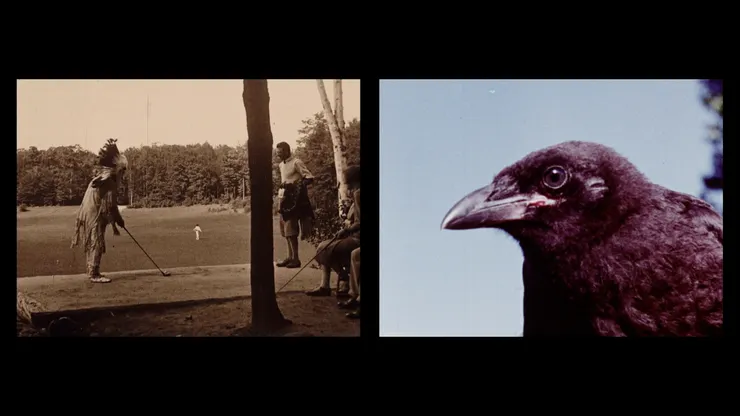
(圖/《歡迎光臨我的土地》電影劇照;台灣國際紀錄片影展提供)
Q:During the curating process, how did you figure out what the viewers in Taiwan would be like? What do you think the viewers can take away from this programme?
Edoyan:As long-time admirers of TIDF, we were already familiar with the types of films the festival programmes. The first part of this exchange took place in Montreal in 2025, where we had the invaluable opportunity to meet TIDF programmers and Taiwanese filmmakers who attended RIDM. Through various conversations, we gained a clearer sense of the kinds of films that would resonate with Taiwanese audiences. The final selection was a collaborative process, we presented a broad array of works and the TIDF programmers helped narrow it down to a curated shortlist, making the process truly collaborative and insightful.
We hope that Taiwanese viewers can discover an aspect of Canadian cinema that is alive, curious and daring, films that listen to the land, trace memory and probe identity, all the while confronting histories that continue to shape the present. The programme demonstrates how Canadian filmmakers stretch the possibilities of documentary, blending poetry, observation and experimentation to create worlds where community, culture and belonging are reimagined, inviting audiences to see both the familiar and the unfamiliar in profoundly new ways.
Q:Narratives and directors coming from an immigrant or multicultural background play a prominent part in this program. Can you talk about this decision regarding the representation of contemporary Canadian documentaries?
Edoyan:Including filmmakers from more recently arriving or pluralistic backgrounds was not simply a curatorial choice, but a reflection of the reality of contemporary Canadian documentary cinema, particularly within Quebec, where a vibrant and diverse cinematic ecosystem has taken shape. The films in this programme emerge from this context, shaped by a multiplicity of voices, experiences and cultural perspectives that have become central to the industry today.
This evolution is the result of sustained efforts over the past decade by funding bodies, cultural institutions, producers and filmmakers, all working to create more equitable and representative spaces. It has not come easily, but it has led to a resilient, dynamic and truly lively cinematic landscape, one that continues to grow and redefine itself.
Quebec plays a key role within this broader Canadian context, acting as a major site of artistic creation and exchange. The presence of filmmakers from different backgrounds reflects not only the diversity of the society itself, but also a shift in how stories are told but more importantly: who gets to tell them. These perspectives bring new ways of seeing, reshaping questions of identity, belonging, memory and representation.
And so, this programme embraces that multiplicity. It affirms that Canadian documentary is not a single voice, but a rich and evolving tapestry of experiences and cinematic approaches, an evolving field where diverse narratives do not exist at the margins, but actively redefine the centre.
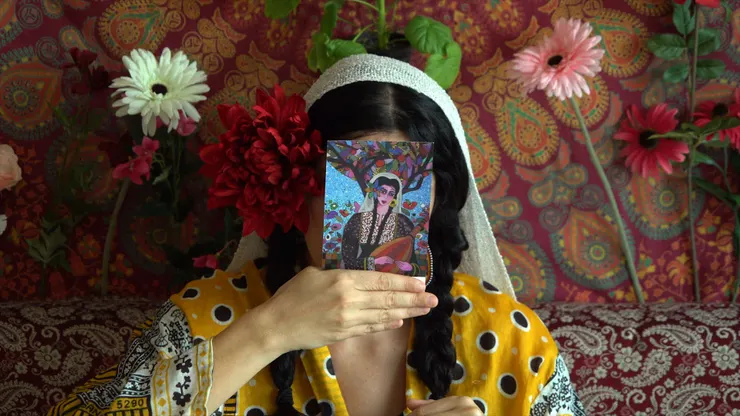
(圖/《獻給孤獨的頌歌》電影劇照;台灣國際紀錄片影展提供)
Q:As RIDM values innovation and experimentation in documentary filmmaking, the experimental inclination also manifested itself in this exchange programme. Can you share with us your observations on the relationship between RIDM and the experimental film culture in Montreal?
Edoyan:Montreal’s progressive art scene has played a fundamental role in shaping the kind of cinema we see in this programme. This is not limited to film, it is a broader cultural reality that extends across disciplines, where experimentation, hybridity and artistic exploration are deeply embedded in the city’s identity. Quebec also holds a significant place in the history of documentary cinema, most notably as one of the birthplaces of direct cinema in the late 1950s and 1960s, through institutions like the National Film Board of Canada. This legacy continues to inform contemporary practices, where attention to reality is inseparable from formal invention.
RIDM exists within, and in dialogue, with this history. From the outset, the festival has positioned itself as a space that champions bold cinematic forms, where documentary is approached not simply as representation, but as an art form in constant evolution. Our curatorial approach privileges works that embrace experimentation formally and narratively, and that expand the possibilities of what documentary can be.
What is particularly vital in Montreal is the strong relationship between cinema and other artistic practices. Filmmakers often move fluidly between film, visual arts, performance and sound and we try to reflect that permeability within the festival. RIDM is not only a screening platform, it is also a space where artists can gather, experiment and present works that extend beyond the traditional format of cinema, through installations, performances or interdisciplinary projects. In that sense, the festival becomes a kind of home for a community of artists who share a desire to push boundaries and explore new modes of expression.
This is also why supporting emerging voices is so central to our mission. RIDM often acts as a springboard for filmmakers at pivotal moments in their careers, particularly those working outside established forms. Through our programming and initiatives like Forum RIDM, we accompany projects that are still taking shape, helping them find visibility, collaborators and audiences.
Ultimately, the relationship between RIDM and Montreal’s experimental film culture is deeply symbiotic. The city nourishes the festival with its creative energy and openness and in turn, RIDM helps sustain and amplify that ecosystem, creating a space where innovative, non-linear, and daring cinematic practices can both exist and thrive.
第十五屆台灣國際紀錄片影展
2026 Taiwan International Documentary Festival
.時間|05/01(五)~5/10(日)
.地點|國家電影及視聽文化中心、台北獅子林新光影城、光點華山電影館、臺灣當代文化實驗場C-LAB
.票價|單場票 120 元,套票6張420元(OPENTIX販售)
.「來自彼端|共棲的風景——當代加拿大紀錄片選」單元介紹及場次請點此
.更多詳情請見官方網站