採訪、整理、翻譯:陳沅綦
Q:電影開場引用薩爾瓦多詩人Roque Dalton的詩句,接著出現片名《風仍在墳上吹拂》。可以談談為何選用這首詩並以此結構開場嗎?片名對你而言意味著什麼?
崔維斯.威克爾森(以下簡稱威克爾森):我一直深受文學吸引。在成為電影創作者之前,我是一名文字寫作者,也始終將自己的「散文電影」創作,視為一種文學與電影並重的形式。我的創作方法非常孤獨,與作家無異,依循直覺與衝動,而非拍攝計畫行事,通常只帶張地圖就出發,把握天氣、雲朵、光線在我眼前出現的瞬間,加以捕捉作為回應。我希望創作是對周遭世界的動態回應,也相信世界本身比我的想法與想像更有趣。
這首詩縈繞我心已久,Dalton的早期詩作相當熱情,但這首卻關於挫敗,甚至預示著最壞的未來。電影中的一切,就發生在一個巨大而扭曲的陰影之下──那是對「更美好世界」之夢的毀滅,亦即建立於「團結與兄弟情誼」基礎之上的南斯拉夫社會主義體制,最終卻走向完全相反的毀滅終局。某種程度上,這種情感與Dalton的絕望相通,也促使我選用這首詩。
片名來自李奧納・柯恩一首關於游擊隊的歌曲。當然內容明顯不同,柯恩歌中的游擊隊幾乎全滅,而南斯拉夫的游擊隊擊退納粹、大獲全勝。但這反而更令人心碎,因為他們曾在最激烈打壓社會運動的納粹年代,藉由團結、兄弟情誼、姐妹情誼與共同體情感串連,擊敗邪惡的外來壓迫者,最終卻以難以想像的方式殘害彼此。
內戰宛如惡夢,由那些依然信奉那套邪惡、可怕而令人厭惡的思想的人所主導。來自二戰、集中營,以及後來內戰的那些墳墓,最終形塑了這一切。南斯拉夫是一座巨大的墳場,不僅埋著實質骨骸,也葬送了希望、團結、統一與兄弟情誼。風不斷吹拂,呼嘯不止。這首歌就是我思考的核心,即使最後因無法取得版權,未能放入片中。
Q:前作多以你的旁白為敘事主軸,但《風仍在墳上吹拂》在結構上更多層次,你既擔任旁白,也現身於銀幕前,並引入警探伊凡的角色。為何採取這樣的雙重探索結構?
威克爾森:其實這出於實際考量。我希望這部片比以往創作更有共創性,我很清楚,若不經由一位在此地土生土長,同時被其美好與可怖形塑的人來發聲,我無法真正掌握克羅埃西亞的深層現實。伊凡的人生,由可怕的故事與經驗形塑而成,但他仍保有真誠的魅力與幽默,遮掩於切身的創傷、痛楚與心碎之上。我得讓他用自己的話,親口表達出來。
但這同時也存在一股張力,我仍須作為「外來者」來引導整個過程。為什麼?因為有些顯而易見的真相,反而需要外人來說出口。事實上,處理這些歷史極具爭議,這部片在克羅埃西亞幾乎被封殺,從未正式放映過一次。我們所有人都收到死亡威脅,我至今還會收到。內容明目張膽且駭人聽聞,大意是我再踏入達爾馬提亞一步,我和我的家人就會遭遇可怕後果。這些威脅,反而印證了電影本身的觀點。
我想說的是,這部片需要伊凡那種來自內部的親密,也需要外來者的自由與直接,藉著兩者的碰撞,才能把這些「應該被說卻無人能說的事」講出來。儘管電影根本從未上映,但甚至是克羅埃西亞的報導也指出,這是一部沒有克羅埃西亞人敢拍的電影。
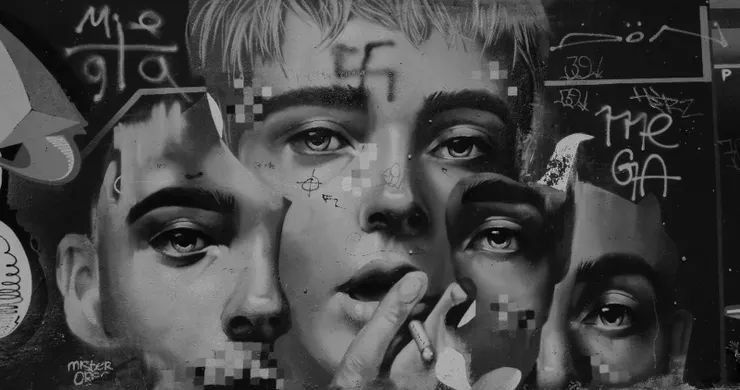
(圖/《風仍在墳上吹拂》電影劇照;台灣國際紀錄片影展提供)
Q:你在《Film Comment》的訪談中,提到南斯拉夫黑浪潮的影響,片尾字幕也向對台灣觀眾或許比較陌生的導演Želimir Žilnik致敬。多談談他對你的創作思考與本片的影響。
威克爾森:Žilnik對我很重要,影響深遠。他的電影融合虛構、紀錄、散文與行動,但核心根植於一種毫不留情的幽默。他的整體創作以近乎野蠻的笑聲,表達那些無法用其他方式表達的事物。他始終堅稱自己是「南斯拉夫導演」,而非「塞爾維亞導演」。這一區分至關重要,這是一部關於南斯拉夫瓦解的電影,運用當時社會最具活力的電影形式──尤其是那股殘酷的幽默感──來表達社會崩解的本質,對我來說是必要的。
這個電影運動也很獨特,既嚴守忠誠,又嚴厲批判。它並不想瓦解南斯拉夫,而是要求國家實現其自身宣稱的目標與價值。某種意義上,南斯拉夫依然存在,不是作為一個國家,而是一種現實狀態。塞爾維亞、克羅埃西亞、波士尼亞之間仍緊密相連,彼此的共通之處遠多於差異。事實上,貝爾格勒與薩格勒布之間的相似性,遠超過美國的賽爾瑪與紐約之間的差異。黑浪潮或許是唯一能夠捕捉這種矛盾的電影運動,因此我在片中相當明確且有意識地運用。
Q:你目前在中國教書,再次身處於一個與美國截然不同的文化環境。至今的教學經驗如何?在中國期間,是否已開始發展新的創作計畫?
威克爾森:中國非常有趣,也不停帶來驚喜。我喜歡跟學生分享想法,也同樣享受向他們學習,每天都從中獲益良多。中國的社會發展令人震撼,甚至難以承受。相較下,美國相當動盪,甚至可能在倒退,進步彷彿遙不可及。不過在我目前生活與教書的中國,進步無所不在、無時不刻地發生,此刻在我的窗外就能看見。一邊親身經歷這樣的現實,一邊在腦中迴盪著成長過程中被灌輸的「中國是什麼樣子」與「中國有哪些限制」,對我而言形成強烈落差。中國當然不完美,但美國既有的那套敘事實在荒唐──借用克里斯・馬克的話,與現實的距離就像地球跟火星一樣遙遠。
這一切對我來說都是巨大挑戰,我還沒準備好在作品中描繪這種現實。希望有朝一日能辦到,但這是一項龐大且複雜的任務,我不敢冒然出手而出錯。這必須建立於尊重與理解之上,也需要對美國近乎方方面面、長年形塑於中國之上的沙文主義論述保持清醒自覺,因此我尚未展開相關計畫。事實上,我的新片將再次回到美國西部,是對我早期作品《An Injury to One》(2002)的延續。或許,我對這段遠離家鄉過程的回應,就是讓我能重新凝望家鄉。總有一天,我會拍別的東西,只是還不知是什麼罷了。它必須是宏大、野心勃勃,將那些尚未被說出、或至少尚未被好好說出的話,帶著尊敬與真誠地清楚表達出來。我希望有天能達成,在此之前,我將先把目光放回我那乾旱的故鄉。
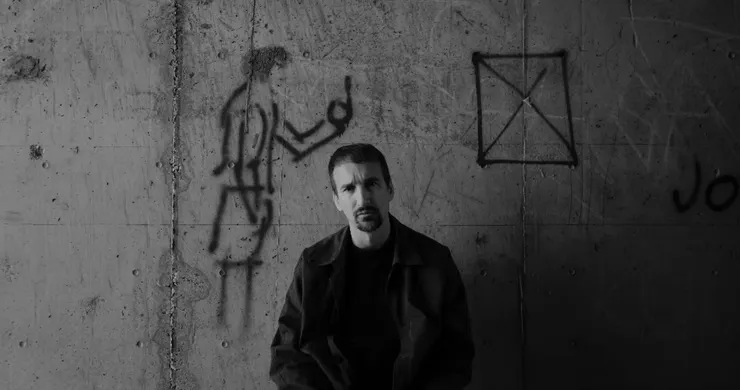
(圖/《風仍在墳上吹拂》電影劇照;台灣國際紀錄片影展提供)
An Interview with Travis Wilkerson, Director of Through the Graves the Wind Is Blowing
Interview, editing, and translation by Chen Yuan-chi
Q:The film opens with a quotation from the Salvadoran poet Roque Dalton, followed by the title Through the Graves the Wind Is Blowing. Could you talk about why you chose this poem and structured the opening in this way? And what does the title mean to you?
Wilkerson:I am always drawn to literature. I was a writer before I was a filmmaker, and I always think of my manner of filmmaking—the essay film—as a form of literature as much as a form of cinema. I work in a highly solitary way, not unlike a writer. I move at the pace of my intuition and impulses, not by a shooting schedule. I typically just work from a map. I respond to weather, to clouds, to sunlight. I grab moments as they appear to me. I like my process to be a dynamic response to the world around me, rooted in the trust that the world is more interesting than my ideas and imagination.
The poem has haunted me for a long time. Dalton’s early work is quite ardent, but that poem is a work of defeat. It prefigures what is to come, in the worst sense. And of course everything in the film takes place in the shadow—the immense, grotesque shadow—of the catastrophic destruction of a dream of a better world—Yugoslavian Socialism—a system uniquely rooted in ‘Solidarity and Brotherhood’, as they say, that erupted into its literal opposite. Somehow Dalton’s despair is an expression of the same sentiment. And that motivated the use of that poem.
As for the title, it comes from the song by Leonard Cohen about the Partisans. Of course his Partisans were, more or less crushed, while the Partisans of Yugoslavia triumphed utterly. They expelled the Nazis. They won. But that makes the story even more heartbreaking. Because, having defeated vicious foreign occupiers—the most intensely anti-social movement in history—through solidarity, brotherhood, sisterhood, and commonality—they turned on each other in unimaginable ways.
The civil war was nightmarish. And it was all led by people who still adhered to that vicious, awful, despicable thinking. Those graves—from the Second World War, from the concentration camps, and then newer graves from civil war—have ultimately shaped everything. Yugoslavia is a massive cemetery of actual graves but also of hope, of solidarity, of unity, and of brotherhood. The wind blows and blows. It howls. The song was central to my thinking, if not in the film itself, because I couldn’t get the rights.
Q:Your earlier films often rely primarily on your own voice-over as the main narrative device. In Through the Graves the Wind Is Blowing, the structure seems more layered: you appear both as a narrator and on screen, while also introducing the character of the detective Ivan. What led you to adopt this kind of double investigative structure?
Wilkerson:Really, it was a practical decision. I wanted the film to be more collaborative than I am often able to work. I knew I couldn’t really grasp the depth of Croatian reality without the voice of someone born and raised here, shaped both by what was beautiful and what was terrible. Ivan has just awful stories and experiences that have shaped him. He maintains real charm and humour, but it covers over real trauma, anguish, and heartbreak. I needed this to be expressed by him, in his own words.
But there was tension. I still needed to be an outsider guiding this process. Why? Because it required an outsider to tell the obvious truths. In fact, there is enormous tension over this. The film was essentially banned in Croatia—it never screened a single time. All of us received death threats. I still receive them. The essence is that if I ever come back to Dalmatia, something terrible will happen to me and my family. They are quite explicit, grotesque. They oddly prove the point of the film.
What I am trying to express here is that it required that collision between Ivan’s intimacy and the outsider’s freedom and directness to say things that needed to be said but nobody can. Even the press on the film in Croatia—which was substantial despite no screenings at all—emphasised that this was a film that no Croatian would have dared make.
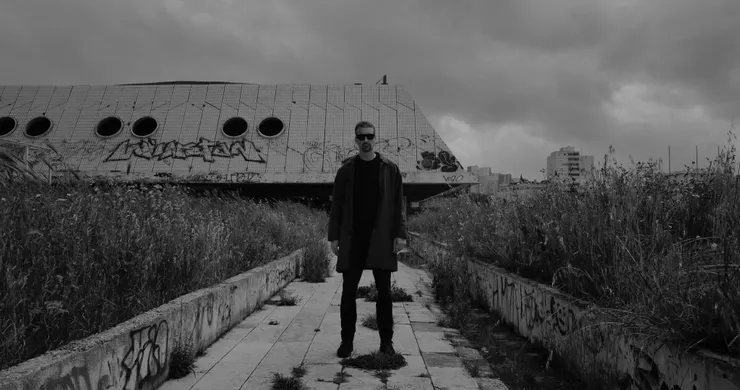
(圖/《風仍在墳上吹拂》電影劇照;台灣國際紀錄片影展提供)
Q:In your interview with Film Comment, you mentioned the influence of the Yugoslav Black Wave. The film’s end credits also pay homage to Želimir Žilnik, an important filmmaker who may be less familiar to audiences in Taiwan. Could you talk about his influence on your creative thinking and on this film?
Wilkerson:Žilnik is huge for me. A massive influence. His films combine a lot of things—fiction, documentary, essay, and action. But they are rooted in a kind of ruthless humour. His entire body of work uses a kind of savage laughter to express things that couldn’t be expressed using any other means. He actually insists on calling himself a Yugoslavian filmmaker, not a Serbian filmmaker. And this distinction is important. This is a film about the destruction of Yugoslavia, so using the very strategies and means—a brutal humour, more of all—to express something essential about the destruction of that society that existed as the most vibrant form of cinema within that very society seemed essential.
The movement is unique. It was intensely loyal, yet harshly critical. It didn’t wish to dismantle Yugoslavia but to insist on it fulfilling its stated aims and values. And somehow Yugoslavia still exists. Not as a nation state, but as a practical reality. Serbia, Croatia, Bosnia—they are still deeply interconnected and have far more in common than differences. Indeed, Belgrade has more in common with Zagreb—by far—than Selma Alabama has in common with New York City. The Black Wave is the only sort of movement that could possibly capture that contradiction. And so I used it quite explicitly and consciously.
Q:You are currently teaching in China, which places you again in a cultural environment quite different from that of the United States. How has your experience teaching there been so far? Have you begun developing any new creative projects during your time in China?
Wilkerson:China is incredibly interesting and constantly surprising. I love sharing my ideas with my students but I also love learning from them, which I do every day. The social progress in China is just breathtaking, overwhelming. Things in the US seem so volatile, perhaps even moving backwards. Progress seems just impossible. But here where I live and teach, the progress is everywhere, all the time. I can see it out my window right now. It’s a dissonant experience for me to live this reality while still hearing in my head the voices I was raised with of what China is and what its limitations are. China isn’t perfect, by any means, but the narrative that exists about it in the US is just absurd. It is as far from reality as Earth is from Mars—to paraphrase Chris Marker.
All of this creates huge challenges for me. I don’t feel ready to describe this reality in my work. I hope to someday, but it’s a massive and complex task, and I can’t dare get it wrong. It needs to be rooted in respect, and understanding and a kind of ruthless awareness of the chauvinism that has shaped nearly all forms of discourse around China in the US. So I’m not ready to make a project yet. Indeed, my new film is about the US west again, and a follow-up to my earlier work An Injury to One (2002). Perhaps my response to living so far from home is to renew my interest in that home. Someday I will make something. I just don’t know what it is yet. It needs to be grand, ambitious. It needs to say things in an articulate way that hasn't been expressed or at least expressed well and with respect and sincerity. I hope to do that someday. But in the meanwhile, I will return my gaze to my own drought homeland.
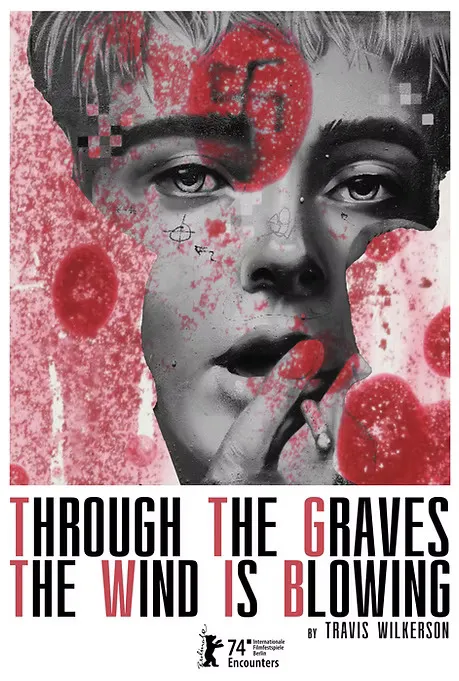
(圖/《風仍在墳上吹拂》電影海報;台灣國際紀錄片影展提供)
第十五屆台灣國際紀錄片影展
2026 Taiwan International Documentary Festival
.時間|05/01(五)~5/10(日)
.地點|國家電影及視聽文化中心、台北獅子林新光影城、光點華山電影館、臺灣當代文化實驗場C-LAB
.票價|單場票 120 元,套票6張420元(OPENTIX販售)
.更多詳情請見官方網站